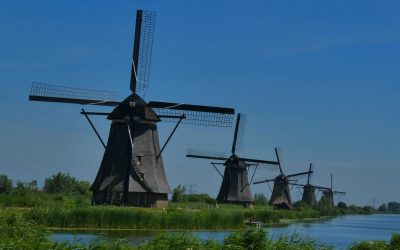
The Netherlands is known around the world for its canals, windmills, tulips, traditional architecture and distinctive Dutch heritage.
Two places stand out for very different reasons: Pella in Iowa, United States, where Dutch immigrant heritage remains an important part of the town, and Huis Ten Bosch in Japan, a large theme park designed around a Dutch inspired townscape.
Last updated: September 29, 2026.
Which places look like the Netherlands?
| Place | Country | Why it looks Dutch | Best for |
|---|---|---|---|
| Pella | United States | Dutch heritage, windmill, canals, architecture and traditions | Culture and history |
| Huis Ten Bosch | Japan | Canals, windmills, gardens and Dutch inspired buildings | A Dutch themed experience |
Although these two destinations are very different, both give you an opportunity to see how Dutch culture and visual identity have been recreated outside Europe. Moreover, they show two different ways in which a place can resemble the Netherlands.
Pella, Iowa: a Dutch town in the United States
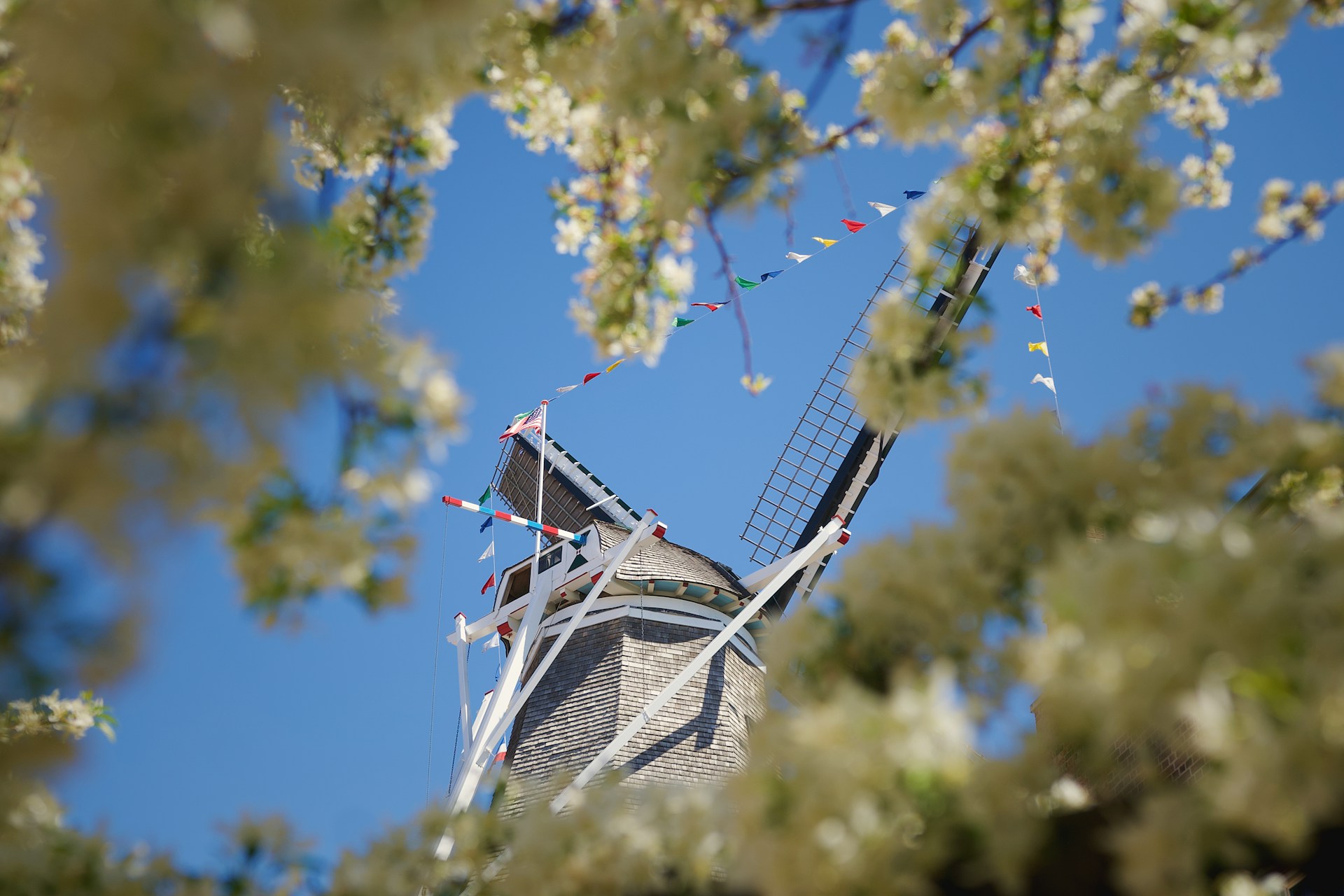
Pella in Iowa is a place outside Europe with a strong historical connection to the Netherlands. Unlike a purpose built attraction, Pella’s Dutch character comes from its history. Dutch immigrants founded the community in 1847, and their heritage remains visible throughout the town today.
How did Pella become Dutch?
Pella was founded after a group of Dutch immigrants followed Dominie Hendrik Peter Scholte to Iowa in 1847. The settlement developed into a community where Dutch traditions, religion, language and customs became part of everyday life.
Over time, Pella changed considerably, yet the community continued to preserve its Dutch heritage. Today, that history is visible in museums, festivals, architecture and local businesses.
If you are interested in the way Dutch heritage continued outside the Netherlands, our article about Dutch ancestry in America provides another perspective on this international Dutch connection.
Dutch architecture in the town centre
One reason Pella can remind visitors of the Netherlands is its architecture. The town has deliberately preserved and developed Dutch inspired elements, including buildings, streetscapes and public spaces.
What can you see in Pella?
The Vermeer Windmill
The Vermeer Windmill is probably the most recognisable Dutch landmark in Pella. The working grain windmill was designed and built in the Netherlands before being transported to Iowa and reassembled in Pella in 2002.
At 124 feet 6 inches, it is currently described by Pella Historical as the tallest working windmill in North America. The mill has five floors, and guided tours explain how grain was historically processed while also providing views across Pella.
There is another Dutch connection here too. The exterior of the windmill contains almost 30,000 bricks arranged in a Dutch bond pattern, specifically chosen to resemble mills found in the Netherlands.
The Historical Village
The Historical Village gives you another opportunity to see how Pella connects its present with its past. The complex contains historic buildings, replicas and exhibits covering the community’s history from its early years.
Among the experiences are a replica of Dominie Scholte’s first church, a traditional bakery, a blacksmith shop, a wooden shoe workshop and exhibits about Dutch heritage. There is also a miniature Dutch village associated with the Vermeer Windmill experience.
Tulips and Dutch traditions in Pella
Tulip Time
Every spring, Pella celebrates its Dutch heritage during Tulip Time. The festival combines tulips with parades, traditional costumes, Dutch music, dancing and other cultural activities.
Dutch food and local traditions
You can also experience Dutch influences through food. Pella’s local bakeries are known for Dutch pastries, including Dutch letters, while other local businesses offer Dutch inspired products and foods.
Huis Ten Bosch, Japan: a Dutch world in Japan
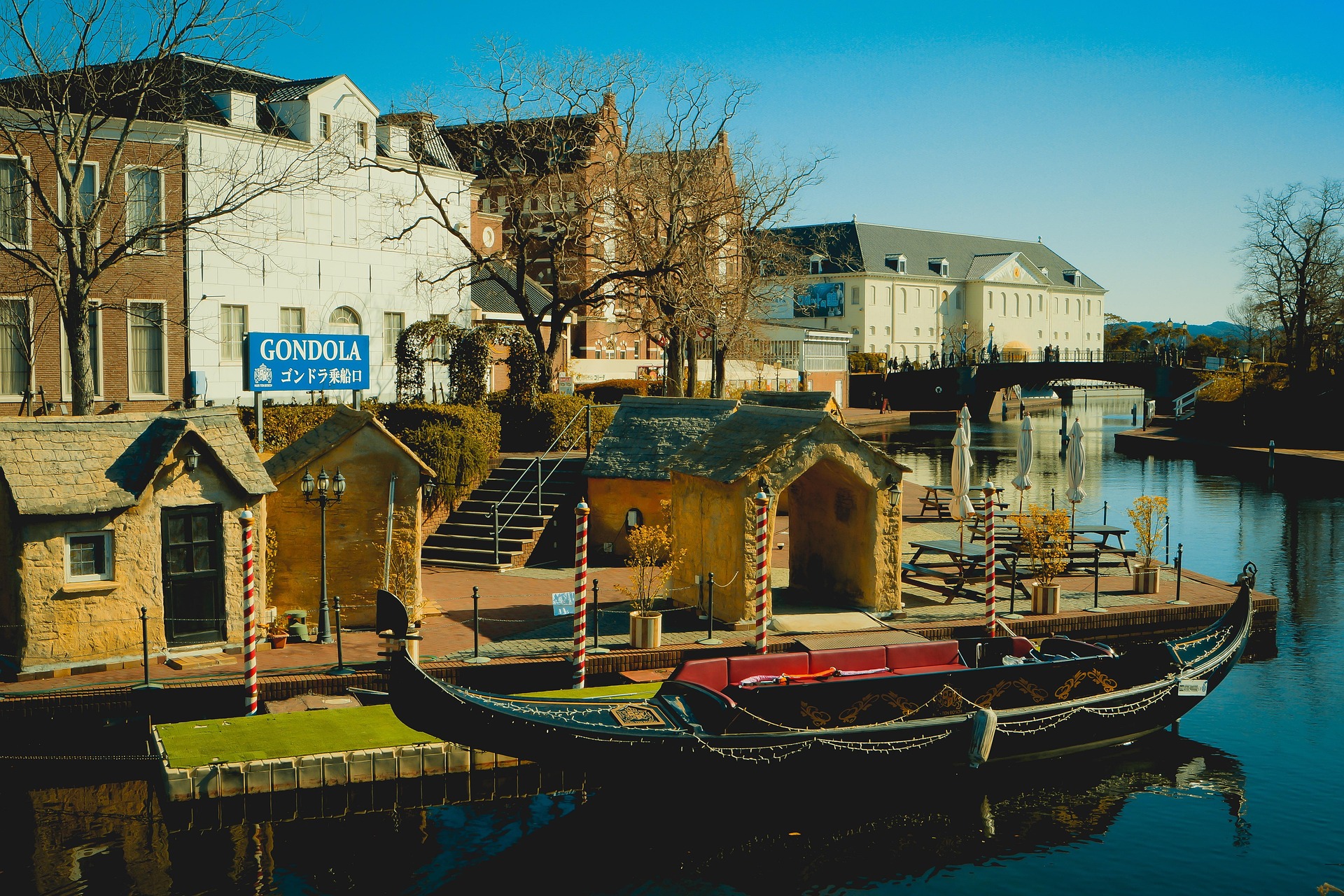
Huis Ten Bosch in Nagasaki Prefecture is one of the most striking places in the world that looks like the Netherlands. Unlike Pella, however, it was created as a large Dutch themed resort rather than growing from a Dutch immigrant community.
Moreover, the resort is designed so that you can explore these elements while enjoying attractions, restaurants, hotels and seasonal events.
Why does Huis Ten Bosch look Dutch?
In particular, the resort has canals, waterways, traditional looking buildings, bridges, flower gardens and windmills. Amsterdam City sits at the heart of the park, while Palace Huis Ten Bosch is a faithful recreation of a Dutch palace.
Amsterdam City and the canals
One of the main areas of Huis Ten bosch is Amsterdam City. Here, you can walk beside canals, explore shops and restaurants, and enjoy views designed around a European townscape.
Furthermore, canal cruises give you another way to experience the scenery. Current visitor information lists canal cruises among the attractions, while the park also offers gondola rides in several areas.
What can you see at Huis Ten Bosch?
Windmills, flowers and Dutch style scenery
Windmills and flowers are among the easiest visual connections with the Netherlands. During the spring season, Huis Ten Bosch combines windmills with large tulip displays, creating some of its most recognisable Dutch looking scenery.
The tulip season
The 2026 Tulip Celebration ran from February 6 to April 6. The official programme highlighted tulip fields along Flower Road, windmills and seasonal displays around the park. Consequently, spring can be particularly interesting if your main reason for visiting is to see scenery that resembles the Netherlands.
Palace Huis Ten Bosch
Palace Huis Ten Bosch adds another important Dutch connection. The resort describes it as a faithful recreation of a Dutch palace, with seasonal exhibitions inside the museum.
In addition, the palace gardens provide another setting where Dutch architecture, flowers and carefully designed landscapes come together.
Pella or Huis Ten Bosch: which feels more like the Netherlands?
Although Pella and Huis Ten Bosch both offer Dutch looking scenery, they do so in very different ways. Therefore, the right choice depends on what you want to experience.
| Destination | What makes it Dutch | Best for | Type of experience |
|---|---|---|---|
| Pella, Iowa | Dutch heritage, architecture, windmill, canals, food and traditions | History and culture | Dutch American heritage |
| Huis Ten Bosch, Japan | Canals, windmills, flowers, architecture and Dutch themed scenery | Scenery and attractions | Large scale Dutch recreation |
For Dutch history and heritage
Pella is the stronger choice if you want to understand how Dutch immigrants brought their culture to another part of the world. Its Dutch identity is connected to the community itself, while its museums, architecture, food and annual traditions continue to celebrate that history.
Moreover, Pella gives you the opportunity to explore Dutch heritage at a slower pace. You can walk through the town centre, visit historic attractions and discover local traditions rather than simply viewing a recreation of a Dutch setting.
For canals, flowers and Dutch looking scenery
Huis Ten Bosch offers a different experience. Its canals, windmills, flowers and European style landscapes are designed to create the feeling of being somewhere in Europe. Consequently, it can be particularly appealing if your main goal is photography, sightseeing and an immersive themed experience. If you enjoy this type of attraction, our guide to the best theme park in the Netherlands can help you discover similar experiences closer to home.
Ready to see the real Netherlands?
Seeing Dutch looking places abroad can be a great reason to explore the country that inspired them. Once you want to experience the canals, historic cities, windmills, museums and countryside for yourself, our guide to the best one week in the Netherlands is a useful starting point.
If Amsterdam will be your base, you can also continue with our guide to the best day trips from Amsterdam and discover more of the Netherlands beyond the capital.
Whether you discover Dutch heritage in Iowa, a Dutch themed world in Japan or the original landscapes in the Netherlands, these places show how far Dutch culture has travelled.