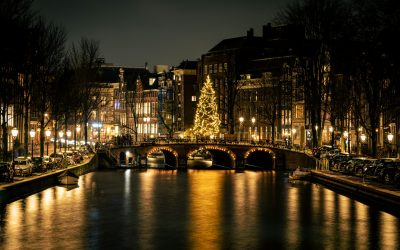
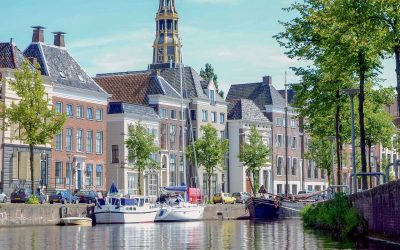
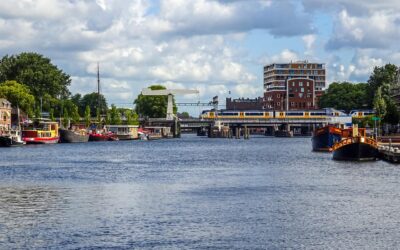
Amsterdam and the Netherlands are closely connected, but they are not the same thing. Amsterdam is a city, while the Netherlands is the country that Amsterdam is part of. For first time visitors, understanding this difference can make it much easier to plan a trip, choose where to stay and decide whether to explore beyond the capital.
Amsterdam is often the first place international travelers visit in the Netherlands. Its canals, museums, historic streets and lively neighborhoods make it an obvious starting point. However, Amsterdam represents only one part of the country. Beyond the capital are historic cities, beaches, countryside, windmills, national parks, villages and other destinations that can give a very different impression of the Netherlands.
So, should a first trip focus entirely on Amsterdam, or is it worth exploring more of the Netherlands? The answer depends on how much time is available, what kind of experience is wanted and whether the trip is centered on city life or a wider Dutch experience.
Last updated: September 1, 2026.
Amsterdam and the Netherlands: What Is the Difference?
The simplest answer is this: Amsterdam is a city in the Netherlands. The Netherlands is the country, while Amsterdam is its capital.
This distinction sounds obvious once explained, but it is surprisingly common for first time visitors to use Amsterdam and the Netherlands as if they were interchangeable. That can lead to unrealistic expectations about what the country looks and feels like.
Is Amsterdam a country?
No. Amsterdam is a city and the capital of the Netherlands.
The Netherlands is a country in northwestern Europe. It includes Amsterdam as well as many other cities, towns, villages and rural areas. The country is considerably larger and more varied than the experience offered by a stay in Amsterdam alone.
Amsterdam is therefore best understood as one destination within a larger country rather than as a representation of every aspect of Dutch life.
Is Amsterdam the capital of the Netherlands?
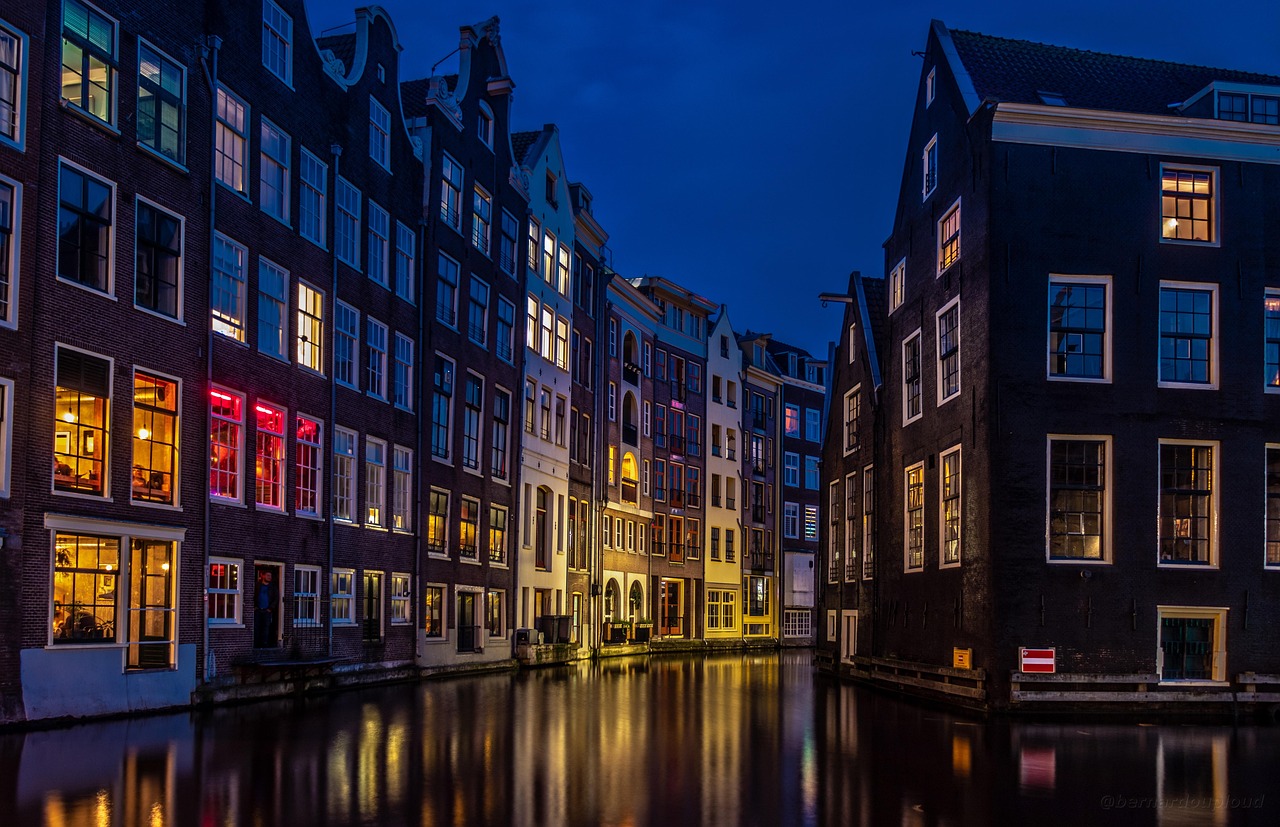
Yes. Amsterdam is the constitutional capital of the Netherlands.
However, this does not mean that every important government institution is located in Amsterdam. The Hague is the seat of government and is home to the Dutch parliament, government ministries and the official working residence of the King.
This is one reason why a trip beyond Amsterdam can add useful context to a first visit. Different Dutch cities have different historical and political roles, and the country is not centered entirely around its capital.
Amsterdam is part of the Netherlands, not a separate destination from it

When planning a trip, it is better to think of Amsterdam as a gateway to the Netherlands rather than as an alternative to the Netherlands.
A traveler can spend several days exploring Amsterdam and still experience only a small part of the country. At the same time, Amsterdam is an excellent base for discovering other destinations because major Dutch cities and attractions can often be reached by public transport.
This creates two sensible approaches for a first visit:
- Focus on Amsterdam for a short city break.
- Use Amsterdam as part of a wider Netherlands itinerary.
Neither approach is automatically better. The right choice depends mainly on the amount of time available and the type of trip being planned.
Amsterdam vs the Rest of the Netherlands
Amsterdam is famous for its canals, museums, narrow historic houses, nightlife and international atmosphere. These characteristics are genuine, but they are not the complete Dutch experience.
Outside Amsterdam, the pace can feel slower and the surroundings can become much more open. Historic cities, coastal areas, forests, waterways, agricultural landscapes and smaller communities all contribute to the identity of the Netherlands.
What is Amsterdam like?
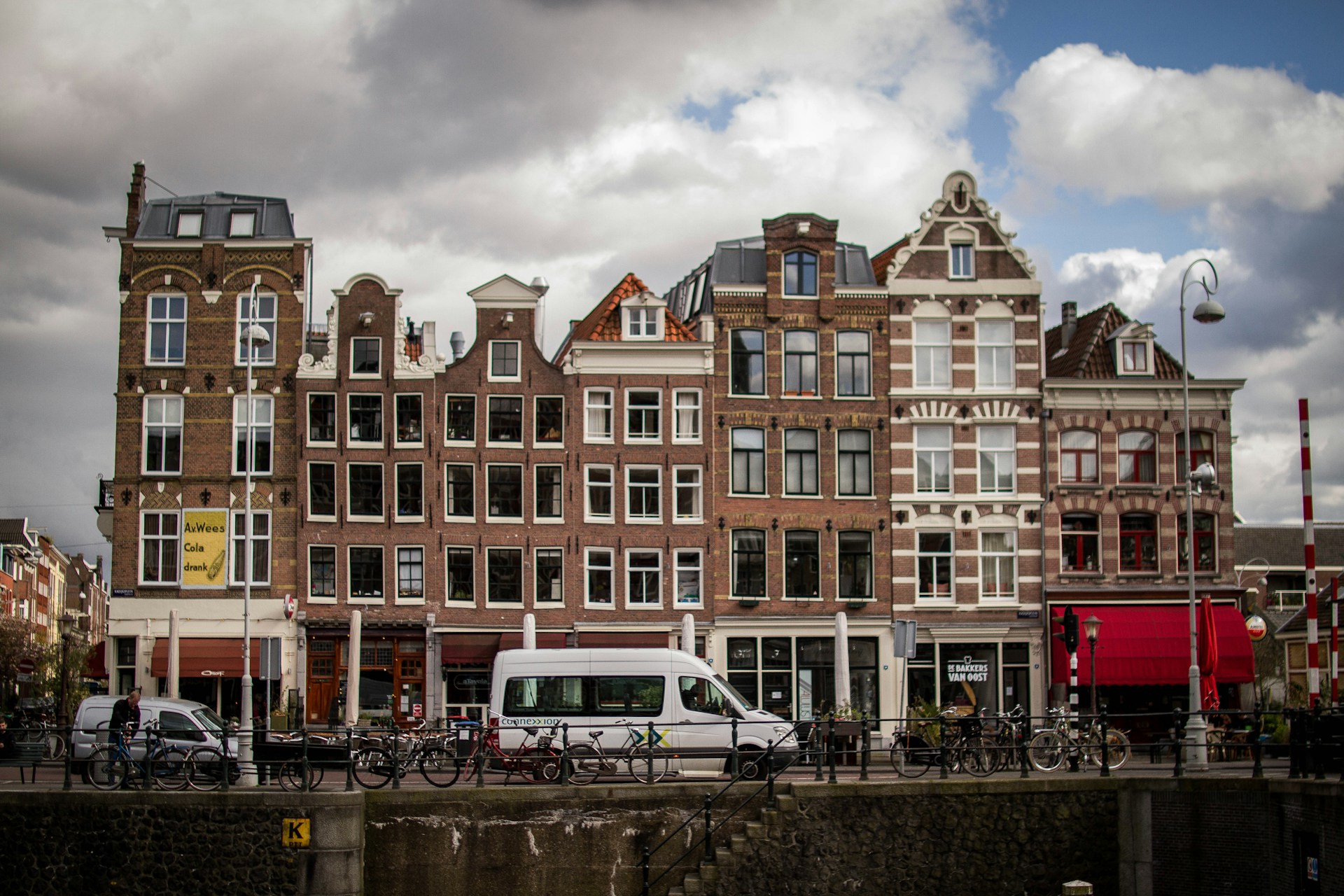
Amsterdam is compact, lively and highly urban compared with many other parts of the country. The historic center is shaped by canals and narrow streets, while surrounding neighborhoods offer restaurants, markets, shops, cultural venues and residential areas.
For visitors, many major attractions are relatively close together. This makes Amsterdam particularly suitable for a short trip because several different experiences can be combined without spending large amounts of time traveling between them.
What is the Netherlands like outside Amsterdam?
The Netherlands outside Amsterdam is more varied than many first time visitors expect.
Other cities have their own character. Rotterdam is known for modern architecture and its major port. Utrecht combines a historic center with distinctive canals and a strong student atmosphere. The Hague has a different character again, with government institutions, museums and access to the coast.
Beyond the cities, the landscape changes considerably. Visitors can find beaches, dunes, forests, farmland, waterways, traditional villages and historic towns.
That variety is one of the strongest reasons to consider exploring beyond Amsterdam during a longer visit.
Why Amsterdam does not represent the whole country
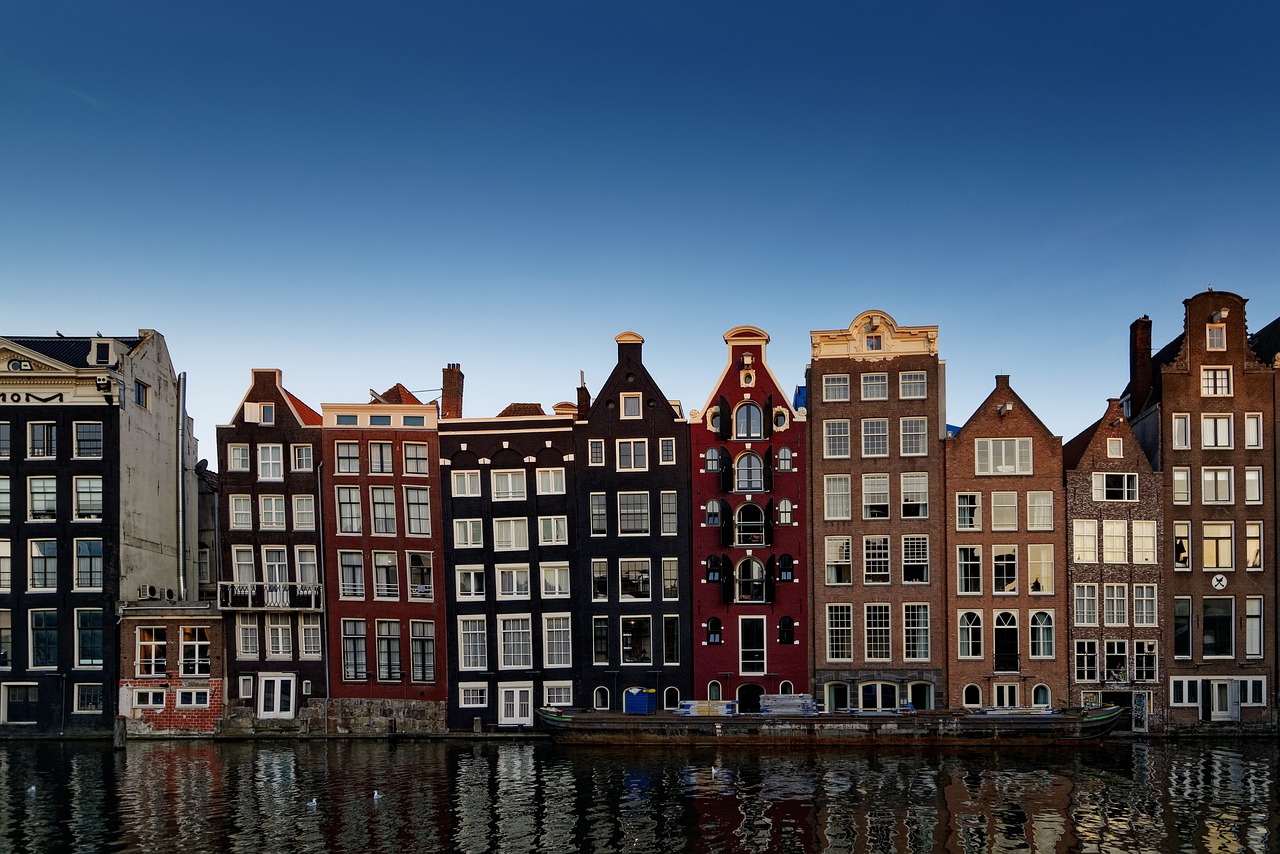
International images of the Netherlands often concentrate on Amsterdam. Canals, bicycles, historic houses and museums are highly recognizable, so they naturally dominate travel photography and online searches.
However, these images can create the impression that the entire country looks like central Amsterdam.
It does not.
The Netherlands has densely populated urban areas as well as quiet rural landscapes. Some destinations feel distinctly modern, while others preserve centuries of architectural and cultural history. Coastal areas offer yet another type of experience.
This difference matters when planning a first trip. Someone expecting the entire country to feel like Amsterdam may miss some of the experiences that make traveling around the Netherlands particularly rewarding.
Amsterdam is often the starting point, not the whole journey
For many international visitors, Amsterdam is the easiest place to begin. It has major international transport connections and a large concentration of accommodation, attractions and services.
That makes it possible to stay in Amsterdam while visiting other destinations during the same trip.
For example, a traveler might spend several days exploring the capital and then add one or more day trips. Travelers with more time can create a wider itinerary that includes several Dutch cities and regions.
For ideas about destinations that can be reached from the capital, see the guide to the best day trips from Amsterdam.
Amsterdam, Holland and the Netherlands Explained
There is another source of confusion that often appears when planning a first trip: Amsterdam, Holland, the Netherlands and Dutch are not interchangeable terms.
Understanding these names makes it much easier to read travel information, search for destinations and understand what locals and official sources are referring to.
What is the Netherlands?
The Netherlands is the name of the country.
It is located in northwestern Europe and shares borders with Germany and Belgium. The country also has a coastline along the North Sea.
Amsterdam, Rotterdam, Utrecht, The Hague, Maastricht and many other destinations are all located within the Netherlands.
What is Holland?
Holland is not the official name of the entire country.
Historically and geographically, Holland refers to two provinces: North Holland and South Holland. Amsterdam is located in North Holland, while cities such as Rotterdam and The Hague are located in South Holland.
The word Holland is nevertheless widely used internationally when people are talking about the Netherlands as a whole. This is why visitors may encounter both terms during the same trip.
What does Dutch mean?
Dutch generally refers to the people, language and things associated with the Netherlands.
For example, Dutch food means food from the Netherlands, Dutch culture refers to culture associated with the country, and the Dutch language is the main language spoken in the Netherlands.
For a more detailed explanation of the terminology, including the difference between Holland, the Netherlands and Dutch, read The Netherlands vs Holland vs Dutch explained for travelers.
Getting these terms right may seem like a small detail, but it helps avoid confusion when comparing destinations and planning a first trip.
What Can You Do in Amsterdam?
Amsterdam is a strong choice for travelers who want a concentrated mix of history, culture, architecture, food and city life. Many of the most famous Dutch experiences can be found within the city, which makes Amsterdam particularly convenient for a first visit.
The city is known for its historic canal ring, museums, narrow canal houses and distinctive neighborhoods. However, Amsterdam is more than its most famous attractions. Exploring beyond the busiest streets can reveal quieter neighborhoods, local markets, parks and smaller cultural attractions.
Explore the historic canal district
The canals are one of the defining features of Amsterdam. The historic canal ring provides a very different experience from simply walking between individual attractions because the architecture, bridges and waterways form part of the destination itself.
A canal cruise can also provide a useful introduction to the city. From the water, visitors can see historic canal houses, bridges and parts of the canal ring from a different perspective. The canal ring is a UNESCO World Heritage Site and remains one of the most recognizable parts of Amsterdam. :contentReference[oaicite:1]{index=1}
Visit Amsterdam's major museums
Amsterdam has an unusually strong concentration of museums for a city of its size. The Museum Quarter is home to major institutions including the Rijksmuseum, the Van Gogh Museum and the Stedelijk Museum.
The museum experience also extends beyond the most famous names. Amsterdam has museums covering art, history, photography, maritime subjects, Jewish history and many other topics. Current 2026 information from the city's tourism organization highlights both major museums and smaller cultural attractions throughout the city. :contentReference[oaicite:2]{index=2}
This makes Amsterdam particularly appealing to travelers who enjoy combining sightseeing with indoor cultural activities. It can also be an advantage when the weather is less suitable for spending an entire day outdoors.
Discover different Amsterdam neighborhoods
First time visitors often spend most of their time around the historic center. That is understandable, but Amsterdam becomes more interesting when the itinerary includes other neighborhoods.
Areas such as Jordaan, Oud West, De Pijp and Amsterdam Noord each have a different atmosphere. Cafés, independent shops, markets, restaurants, cultural venues and residential streets can make these areas feel very different from the busiest tourist locations.
Amsterdam Noord is particularly easy to combine with a city visit because the ferry across the IJ provides a simple way to reach the northern part of the city. Current Amsterdam tourism information also recommends exploring neighborhoods beyond the canal ring for a broader experience of the city. :contentReference[oaicite:3]{index=3}
Experience Amsterdam by bicycle
Cycling is closely associated with everyday life in Amsterdam. The city's flat landscape and extensive cycling infrastructure make bicycles an important part of getting around.
For visitors, cycling can be a useful way to experience neighborhoods beyond the main tourist routes. However, busy central streets require attention because bicycles, pedestrians, trams and other traffic share the urban environment.
Walking can be equally rewarding for a first visit. Amsterdam is compact enough that several attractions and neighborhoods can often be combined during the same day.
Enjoy Amsterdam after the main attractions
Amsterdam does not stop being interesting when the museums close. Restaurants, cafés, live music, theaters and evening activities give the city a lively character.
The exact experience depends heavily on the neighborhood. A quiet evening beside a canal can feel completely different from an evening in a busy entertainment district.
This is one of the clearest differences between a city break in Amsterdam and a wider trip through the Netherlands. Amsterdam offers a high concentration of experiences within a relatively small area.
What Can You Experience Outside Amsterdam?
Leaving Amsterdam changes the rhythm of the trip. Instead of moving between attractions within one major city, visitors can experience different cities, landscapes and regional identities.
The wider Netherlands includes modern urban areas, historic cities, coastal destinations, countryside and smaller towns. This variety is difficult to appreciate during a short Amsterdam city break.
Visit historic Dutch cities
Amsterdam is not the only Dutch city with an attractive historic center.
Utrecht offers canals, historic buildings and the distinctive Dom Tower. The city also has unique wharf cellars along parts of its canals, giving its center a character that differs from Amsterdam. Current NS information describes Utrecht as centrally located within the Dutch rail network, with direct connections to Amsterdam, Rotterdam, The Hague and other cities. :contentReference[oaicite:4]{index=4}
The Hague provides another perspective. It combines historic buildings and major museums with government institutions and access to the North Sea coast at Scheveningen. It can therefore combine culture and a beach experience during the same trip. :contentReference[oaicite:5]{index=5}
Rotterdam offers perhaps the sharpest contrast with Amsterdam. Its modern architecture, major port and contemporary cityscape create a much more modern urban experience. The city is also an important railway hub, making it practical to combine with other destinations. :contentReference[oaicite:6]{index=6}
See a different side of Dutch architecture
Traveling beyond Amsterdam is useful for understanding how varied Dutch architecture can be.
Amsterdam is strongly associated with historic canal houses and the canal ring. Rotterdam, by comparison, is known for modern architecture and a very different urban landscape. Utrecht combines historic architecture with a lively contemporary city environment, while The Hague has a mixture of government buildings, historic streets, museums and coastal surroundings.
Seeing several cities can therefore make the Netherlands feel much less uniform than it may appear from photographs of Amsterdam.
Explore villages and smaller destinations
Not every Dutch experience needs to take place in a large city.
Smaller towns and villages can provide a slower pace, historic streets, local traditions and landscapes that are very different from Amsterdam's urban environment. Depending on the season and itinerary, visitors may also encounter flower growing regions, coastal landscapes, waterways and traditional countryside.
This is particularly valuable for travelers who associate the Netherlands mainly with Amsterdam's canals. The country becomes much more diverse once the journey moves beyond the capital.
Experience nature and open landscapes
The Netherlands may be densely populated, but it also has substantial areas of open landscape. Coastal dunes, forests, wetlands, agricultural areas and waterways provide opportunities for walking, cycling and slower travel.
For travelers who want more space and less urban activity, adding destinations outside Amsterdam can significantly change the character of the trip.
Can Amsterdam Be Your Base for Exploring the Netherlands?
Yes. For many first time visitors, staying in Amsterdam and making selected day trips is one of the easiest ways to combine a city break with a wider Dutch experience.
Amsterdam has multiple railway stations and direct train connections to destinations including Rotterdam, Utrecht, The Hague and Eindhoven. This makes the capital a practical starting point for exploring other parts of the country without changing accommodation every day. :contentReference[oaicite:7]{index=7}
Why staying in Amsterdam can be convenient
Keeping one accommodation base reduces the number of hotel changes during a trip. This can be especially useful for travelers with luggage, families or visitors who prefer a simple itinerary.
A typical approach might involve several days exploring Amsterdam followed by one or more days visiting destinations outside the capital.
This approach also leaves flexibility. If the weather changes or a particular attraction becomes a priority, the itinerary can be adjusted without moving to another hotel.
When a day trip makes sense
A day trip works particularly well when the destination offers a strong contrast with Amsterdam but can still be explored comfortably within one day.
For example, a visitor might choose a historic city for architecture and museums, a coastal destination for the beach, or a smaller destination for a quieter experience.
The important point is not to add destinations simply to increase the number of places visited. A good day trip should add something that Amsterdam does not provide.
Popular choices for exploring beyond Amsterdam
Utrecht can suit travelers looking for historic streets, canals and a lively city atmosphere. The Hague can appeal to visitors interested in museums, government history and the coast. Rotterdam is a strong option for modern architecture, urban culture and its maritime character.
Other destinations can provide different experiences, including traditional villages, windmills, beaches and countryside.
The best choice therefore depends on what is missing from the Amsterdam part of the itinerary.
How many day trips should you add?
There is no single correct number. The amount of time available should determine the balance.
For a very short trip, staying in Amsterdam may make more sense because every additional journey takes time away from the city.
For a longer stay, one or two carefully selected day trips can add considerable variety without making the itinerary feel rushed.
Travelers with approximately one week available have even more possibilities. Instead of treating Amsterdam as the entire destination, the trip can become a broader journey through the Netherlands. For a complete example, see The Best 1 Week in the Netherlands.
Choose day trips that add something different
The most useful question is not simply, “Where can you go from Amsterdam?”
A better question is, “What experience is missing from Amsterdam?”
If the Amsterdam itinerary is already full of museums and historic architecture, a coastal destination or open landscape may provide a better contrast. If the main interest is architecture, another city may be more rewarding.
This approach prevents the common mistake of visiting several destinations that all provide a similar experience.
For a practical selection of destinations and ideas, continue with Best Day Trips from Amsterdam: 12 Amazing Places to Visit.
How Much Time Do You Need?
The amount of time available is one of the most important factors when deciding between an Amsterdam focused trip and a wider Netherlands itinerary. A short visit can work very well in Amsterdam, while a longer stay creates more opportunities to discover other parts of the country.
There is no need to see the entire Netherlands during one visit. A better approach is to choose an itinerary that matches the available time and leaves enough room to actually enjoy each destination.
One to two days in Amsterdam
With only one or two days available, Amsterdam is usually the easier choice.
The city has enough attractions and experiences to fill a short visit without requiring long journeys between destinations. A compact itinerary can combine the canals, a museum, historic neighborhoods, local restaurants and an evening activity.
Trying to add several distant destinations during such a short trip can make the experience feel rushed. Every train journey involves time that could otherwise be spent exploring Amsterdam.
For a short city break, the strongest strategy is therefore often to choose Amsterdam and explore it properly rather than trying to collect several destinations in a limited amount of time.
Three to four days
Three or four days provide more flexibility.
Visitors can spend most of the trip in Amsterdam and still have enough time for a carefully selected day trip. This can be a particularly good compromise for first time visitors who want to experience the capital while also seeing something different.
The day trip should ideally complement the Amsterdam experience rather than simply repeat it. A historic city, coastal destination or quieter landscape can create a stronger contrast than another destination with the same type of attractions.
Five to seven days
Five to seven days make a wider Netherlands itinerary much more realistic.
At this point, the trip does not have to be defined entirely by Amsterdam. Several destinations can be combined while still allowing enough time for relaxed exploration.
Some travelers may prefer to keep Amsterdam as the main base and add several day trips. Others may prefer to change accommodation and create a route between different Dutch cities.
The best choice depends on travel style, luggage, interests and the amount of time that should be spent in each destination.
For travelers planning a full week, a dedicated itinerary can make the planning process much easier. See The Best 1 Week in the Netherlands for a complete seven day approach.
More than one week
Longer trips make it easier to explore the Netherlands at a slower pace.
Instead of treating Amsterdam as the central destination for the entire visit, travelers can combine several cities with smaller towns, coastal areas or countryside.
This is also when changing accommodation can become more useful. Staying in different parts of the country can reduce repeated journeys and provide a better sense of regional differences.
A longer trip can therefore transform the question from “Amsterdam or the Netherlands?” into “Which parts of the Netherlands should be included?”
Which Travel Style Fits Amsterdam or the Netherlands?
Time is only one part of the decision. The type of experience being sought can be just as important.
Amsterdam tends to work especially well for travelers who enjoy culture, museums, architecture, restaurants and lively city neighborhoods. The wider Netherlands can be more rewarding for travelers who want variety, nature, smaller destinations and a slower pace.
Amsterdam for culture and city experiences
Amsterdam is a strong choice for travelers who want a high concentration of cultural attractions.
Major museums, historic buildings, canals, restaurants and neighborhoods can be combined within a relatively small area. This makes the city efficient for travelers who want to experience many different things without spending much time traveling between them.
It can also be a good choice for travelers who enjoy spontaneous exploration. A walk through a neighborhood can easily turn into a visit to a café, market, gallery or small shop.
The wider Netherlands for variety
The wider country is better suited to travelers who want their itinerary to change noticeably from one destination to another.
A trip can combine historic cities with modern architecture, beaches with countryside, museums with cycling routes and busy urban areas with quiet towns.
This variety is one of the strongest arguments for exploring beyond Amsterdam.
Amsterdam for first time visitors who prefer simplicity
Keeping the entire trip in Amsterdam can make travel planning considerably simpler.
There is no need to coordinate several hotels, repeatedly pack luggage or plan complicated travel between destinations. One accommodation base can also make the trip more comfortable for families, older travelers and visitors who prefer a slower planning process.
Amsterdam can therefore be the right choice even when a traveler has enough time to explore elsewhere.
The Netherlands for travelers who enjoy exploring
A wider Netherlands itinerary suits travelers who see the journey itself as part of the experience.
Moving between cities allows the landscape and atmosphere to change throughout the trip. A visitor may begin with Amsterdam's canals, continue to another historic city and later experience the coast or countryside.
This style requires more planning, but it can provide a much broader understanding of the country.
Families and multigenerational trips
Families may benefit from combining Amsterdam with destinations that offer more outdoor space.
Amsterdam provides museums, canals and attractions that can work well for families, but children may also appreciate beaches, parks, cycling routes, open landscapes and smaller destinations outside the capital.
For multigenerational groups, staying in one Amsterdam accommodation can be convenient. For groups with more time and different interests, selected day trips can provide useful variety without requiring a complete change of base.
Couples and slower travelers
Couples can enjoy both approaches.
Amsterdam offers canal walks, museums, restaurants and atmospheric historic streets. A wider Netherlands itinerary can add quiet towns, coastal walks, countryside and slower evenings.
The choice therefore depends on whether the trip should feel primarily like a city break or a broader European journey.
Transport, Costs and the Best Time to Visit
Transport, budget and season can change the balance between Amsterdam and the wider Netherlands. These factors do not automatically make one option better, but they can make one approach more convenient for a particular trip.
Getting around Amsterdam
Amsterdam is relatively easy to explore without a car.
Walking, cycling, trams, buses, metro services and trains provide several ways to move around the city and its surrounding areas. For many visitors, walking and public transport are enough for the main sightseeing areas.
This makes Amsterdam particularly attractive for travelers who do not want to rent a car.
Traveling between Dutch cities
The Netherlands has an extensive railway network, making train travel an important part of many itineraries.
Amsterdam has direct rail connections with several major Dutch cities, including Utrecht, Rotterdam and The Hague. This makes it possible to visit other destinations without necessarily changing accommodation.
For travelers who want to see more of the country, public transport can therefore make a wider itinerary practical even without a rental car.
Do you need a car?
For a typical first trip centered on Amsterdam and major Dutch cities, a car is often unnecessary.
Public transport can be more convenient in urban areas, where parking can be expensive and streets can be busy. A car becomes more useful when the itinerary focuses heavily on rural areas or destinations that are less convenient by public transport.
The right decision depends on the exact route rather than on whether the trip is in Amsterdam or elsewhere in the Netherlands.
Is Amsterdam more expensive?
Amsterdam is generally one of the more expensive places to stay and travel in the Netherlands, particularly in areas with high tourist demand.
Accommodation can have a particularly large effect on the total cost of a trip. The city's 2026 tourist tax is also an important consideration when comparing accommodation costs. Amsterdam applies a tourist tax of 12.5 percent of the overnight price excluding VAT for stays subject to the tax.
Costs elsewhere in the Netherlands vary considerably. Major cities can also be expensive, while smaller destinations may provide different accommodation and dining options.
The most useful comparison is therefore not simply Amsterdam versus the rest of the country. Accommodation, travel dates, location, restaurants and planned activities can all have a significant effect on the final budget.
Amsterdam during different seasons
The best time to visit depends on the experience being sought.
Spring is particularly attractive for travelers interested in flowers and colorful landscapes, while summer generally provides longer days and more opportunities for outdoor activities. Autumn can bring changing colors and a different atmosphere, while winter offers shorter days and colder weather but can also provide a quieter city experience.
Amsterdam can be busy at many times of the year, and major events can influence accommodation availability and demand.
Travelers who are flexible with dates can therefore benefit from checking what is happening during the intended travel period before booking accommodation.
For visitors who want to plan around festivals, cultural events and other major occasions, Events in the Netherlands: Your Guide can help identify what may be happening during the trip.
When the wider Netherlands becomes more appealing
The wider Netherlands can become especially attractive when the weather and daylight encourage outdoor exploration.
Cycling, walking, coastal visits and countryside trips are easier to enjoy when there is enough daylight and suitable weather. However, the country is not limited to outdoor activities, so museums and historic cities can still provide strong reasons to travel outside Amsterdam during less predictable weather.
The most important consideration is to build some flexibility into the itinerary. A plan that includes both indoor and outdoor experiences can adapt more easily to changing Dutch weather.
Amsterdam or the Netherlands: the practical decision
For a short trip, Amsterdam is often the simplest and most efficient choice.
For several days, Amsterdam combined with one or two carefully selected day trips can provide a strong balance between convenience and variety.
For a week or longer, exploring more of the Netherlands becomes increasingly worthwhile. The country offers enough variety to create an itinerary that feels very different from an Amsterdam city break.
The key is not to ask which destination is better. The more useful question is which combination of destinations provides the right experience for the time available.
How Should You Choose Between Amsterdam and the Netherlands?
There is no single answer to whether Amsterdam or the wider Netherlands is better for a first visit. The right choice depends on the length of the trip, personal interests, travel pace and the type of experience that matters most.
Amsterdam can provide an excellent introduction to Dutch culture in a relatively compact area. Exploring beyond Amsterdam can add more variety, especially when there is enough time to include other cities, landscapes or smaller destinations.
Choose Amsterdam for a short first visit
If the trip lasts only one or two days, staying in Amsterdam usually makes the most sense.
The city has enough attractions to create a full itinerary without spending valuable travel time moving between different destinations. Canals, museums, historic neighborhoods, restaurants and evening activities can all be combined within a relatively small area.
A short trip does not need to cover everything. A focused Amsterdam itinerary can provide a satisfying introduction to the Netherlands without turning the visit into a race between attractions.
Choose Amsterdam plus day trips for a balanced trip
For a stay of three to five days, combining Amsterdam with one or two day trips can provide a useful balance.
The capital can remain the main base while selected destinations provide a different perspective on the country. This approach avoids the inconvenience of changing hotels while still allowing visitors to see more than Amsterdam.
The best day trip is usually one that adds something missing from the main Amsterdam itinerary. A historic city, modern architectural destination, coastal area or quieter landscape can create more variety than simply visiting another destination with the same attractions.
For practical inspiration, explore the best day trips from Amsterdam before deciding which destination fits the itinerary.
Choose a wider Netherlands itinerary for a week or more
A week or longer provides enough time to experience Amsterdam as well as several other parts of the country.
At this point, there is less reason to treat Amsterdam as the entire destination. A wider itinerary can combine major cities with smaller towns, nature, coastal areas and other attractions.
Some travelers will prefer to remain based in Amsterdam and make day trips. Others may find it more efficient to change accommodation and travel through several destinations.
For a structured seven day itinerary, see The Best 1 Week in the Netherlands.
Choose the wider Netherlands if variety matters most
Travelers who want to experience different sides of the country should consider looking beyond Amsterdam.
Amsterdam provides a concentrated urban experience, but other destinations can introduce modern architecture, medieval streets, beaches, forests, traditional villages and open landscapes.
This can make the overall trip feel more varied and can help create a better understanding of the Netherlands as a country rather than only as a famous capital city.
Choose Amsterdam if convenience matters most
There is nothing wrong with spending an entire first trip in Amsterdam.
One accommodation base can make a journey easier, particularly for travelers who prefer not to move between hotels. It can also make planning simpler when the trip has a fixed schedule.
Amsterdam has enough attractions and neighborhoods to keep visitors occupied for several days, so staying in one city does not necessarily mean having a limited experience.
Frequently Asked Questions About Amsterdam and the Netherlands
Is Amsterdam in the Netherlands?
Yes. Amsterdam is a city in the Netherlands and is the country's constitutional capital.
The Netherlands includes many other cities and regions, so visiting Amsterdam does not mean that a traveler has seen the whole country.
Is Amsterdam the same as the Netherlands?
No. Amsterdam is one city within the Netherlands.
The Netherlands is the country, while Amsterdam is its capital. The country also includes destinations such as Rotterdam, Utrecht, The Hague, Maastricht and many smaller cities, towns and rural areas.
Is Amsterdam the same as Holland?
No. Amsterdam is located in North Holland, which is one of the two provinces traditionally referred to as Holland.
Holland technically refers to North Holland and South Holland rather than the entire Netherlands. However, the term Holland is often used internationally when people mean the Netherlands as a whole.
Is Holland the official name of the country?
No. The official country name is the Netherlands.
Holland is a historical and geographical term for two provinces within the Netherlands. Using the word Holland to describe the entire country is common, but it is not geographically precise.
What does Dutch mean?
Dutch refers to the people, language and culture associated with the Netherlands.
For example, the Dutch language is spoken in the Netherlands, while Dutch culture describes cultural traditions and practices associated with the country.
For a more detailed explanation of these terms, visit The Netherlands vs Holland vs Dutch explained for travelers.
How many days should a first time visitor spend in Amsterdam?
Two to three full days can provide a good introduction to Amsterdam, although travelers with more time can easily spend longer in the city.
The ideal length depends on the number of museums, neighborhoods and activities included in the itinerary. Travelers who want to explore outside Amsterdam should allow additional time rather than trying to fit the entire country into a short city break.
Can Amsterdam be used as a base for exploring the Netherlands?
Yes. Amsterdam is a practical base for selected day trips because the Dutch railway network provides connections to many other major destinations.
Using Amsterdam as a base can be particularly convenient for travelers who want to avoid changing hotels. However, a longer trip may benefit from changing accommodation when destinations farther away become part of the itinerary.
Is Amsterdam worth visiting if there is time to see only one Dutch destination?
Yes. Amsterdam offers a particularly concentrated combination of history, culture, architecture, museums, canals, restaurants and urban experiences.
It is also an accessible introduction to the Netherlands for many international visitors. However, seeing only Amsterdam means missing the variety found elsewhere in the country.
Is it worth visiting other parts of the Netherlands after Amsterdam?
For travelers with enough time, yes.
The wider Netherlands provides experiences that Amsterdam cannot offer on its own. Depending on the itinerary, these can include other historic cities, modern architecture, beaches, countryside, cycling routes, smaller towns and different regional landscapes.
The longer the trip, the more attractive it becomes to include at least one destination outside Amsterdam.
Should you stay in Amsterdam or travel around the Netherlands?
For a short trip, staying in Amsterdam is usually more efficient. For several days, a combination of Amsterdam and day trips can work very well. For a week or longer, traveling through several parts of the Netherlands becomes a realistic option.
The decision should be based on travel time and priorities rather than on the idea that one approach is universally better.
What is the biggest difference between Amsterdam and the rest of the Netherlands?
The biggest difference is the concentration of urban experiences.
Amsterdam combines a large number of attractions, historic areas, museums, restaurants and nightlife within a relatively compact city. Outside Amsterdam, the experience becomes more varied, with other cities, towns, countryside, coast and open landscapes.
Both are important parts of understanding the Netherlands, but they offer different travel experiences.
What should you do next?
Once the difference between Amsterdam and the Netherlands is clear, the next step is to decide what kind of trip fits the available time.
There is no need to plan the entire country immediately. Start with the experience that matters most, then build the itinerary around it.
If Amsterdam is the main destination
Start by deciding how many days are available for Amsterdam and which experiences are most important. Museums, canals, neighborhoods, food and nightlife can already create a complete city break.
After that, consider whether there is enough time for one additional destination.
If the answer is yes, continue with Best Day Trips from Amsterdam: 12 Amazing Places to Visit to find a destination that complements the Amsterdam experience.
If there are several days available
Consider turning the city break into a wider Netherlands itinerary.
A longer trip can combine Amsterdam with other cities, smaller destinations, nature and coastal areas. This approach provides a broader impression of the country and reduces the risk of leaving with the impression that Amsterdam represents everything the Netherlands has to offer.
For travelers with approximately one week, continue with The Best 1 Week in the Netherlands for a complete itinerary.
If travel dates have not been chosen yet
Consider the season and events before booking the trip.
Major festivals, cultural events and seasonal attractions can influence the atmosphere, accommodation demand and activities available during a visit.
Check Events in the Netherlands: Your Guide to see which events could fit the planned travel dates.
If the terminology is still confusing
Do not let the words Amsterdam, Holland, Netherlands and Dutch create unnecessary confusion when planning the trip.
Amsterdam is the city. The Netherlands is the country. Holland refers specifically to North Holland and South Holland, while Dutch describes the people, language and culture associated with the Netherlands.
For the complete explanation, read The Netherlands vs Holland vs Dutch explained for travelers.
The simplest way to plan a first trip
For a short visit, start with Amsterdam.
For a few additional days, add one carefully selected day trip.
For a week or longer, consider exploring several parts of the Netherlands.
The most rewarding itinerary is not necessarily the one that includes the largest number of destinations. It is the one that creates the right balance between seeing new places and having enough time to enjoy them.
Amsterdam can be the beginning of a Netherlands trip rather than the end of it. Once the capital has been explored, the wider country provides many opportunities to discover a different side of Dutch culture, landscapes and everyday life.