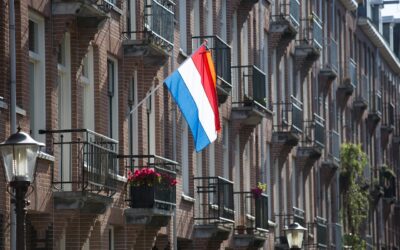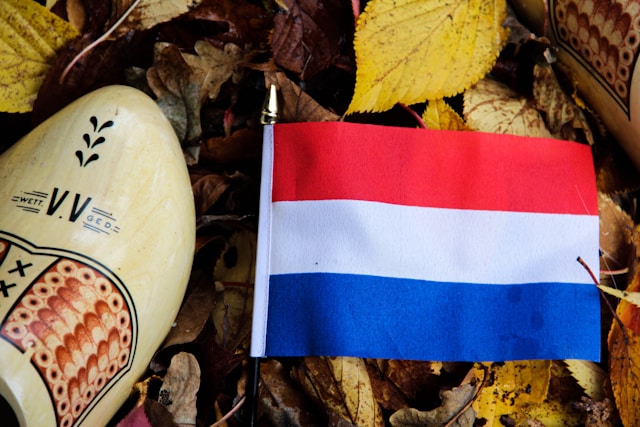
If you’ve ever watched the Dutch national football team, supported the Netherlands during the Olympics (‘TeamNL’), or attended a major international sporting event, you may have wondered: why do the Netherlands wear orange when their national flag is red, white, and blue?
It’s a question that surprises many visitors and sports fans. Unlike many countries that use the colors of their flag for national sports uniforms, the Netherlands has embraced orange as its national sporting color. The reason lies in Dutch history, royalty, and national identity.
Why does the Netherlands wear orange?
The simple answer to why do the Netherlands wear orange is that orange is closely linked to the Dutch royal family, known as the House of Orange-Nassau. The color has become a symbol of national pride and unity throughout the Netherlands.
Although orange does not appear in the Dutch flag, it represents the country’s royal heritage and has become deeply embedded in Dutch culture. Today, athletes, supporters, and even entire cities turn orange during major international competitions.
The historical origins of orange in the Netherlands
To understand why the Netherlands wear orange, we must go back to the 16th century and the life of William of Orange. William played a crucial role in the Dutch Revolt against Spanish rule and is often regarded as the founding father of the Netherlands.
His title, Prince of Orange, came from the Principality of Orange, a small territory in what is now southern France. Because of William’s leadership and influence, the color orange became associated with Dutch independence and national identity.
Over time, the Dutch royal family became known as the House of Orange-Nassau, further strengthening the connection between the Netherlands and the color orange. Even though orange disappeared from the national flag, it remained an important symbol of the Dutch monarchy and eventually became the country’s unofficial national color.
Why Do Dutch Sports Teams Wear Orange?
When people ask why do the Netherlands wear orange, they are often referring to Dutch sports teams.
The Dutch national football team, field hockey teams, cycling squads, and Olympic athletes traditionally wear orange uniforms. The color instantly identifies them on the world stage and distinguishes them from other nations.
The nickname “Oranje” has become synonymous with Dutch national teams. Fans proudly wear orange shirts, hats, scarves, and accessories whenever the Netherlands competes internationally.
Orange as a symbol of national pride
Orange is more than just a sports color in the Netherlands. It represents national unity, pride, and celebration.
Every year during King’s Day, millions of people dress in orange to celebrate the birthday of the Dutch monarch. Streets, canals, and public squares transform into a sea of orange, demonstrating the strong connection between the Dutch people and their royal heritage. King’s Day (the 27th of April) is one of the largest orange-themed celebrations in the world.
During major tournaments such as the FIFA World Cup or UEFA European Championship, Dutch fans create similar orange spectacles that attract international attention.
Conclusion
So, why do the Netherlands wear orange? The answer lies in centuries of Dutch history and the enduring influence of the House of Orange-Nassau. While the national flag is red, white, and blue, orange remains the country’s most recognizable color, symbolizing royal heritage, national unity, and sporting pride. Whether it’s King’s Day, the World Cup, or the Olympic Games, orange continues to unite the Dutch people and make the Netherlands instantly recognizable around the world.