Spending 2 or 3 days in Amsterdam feels like opening a highlight reel of Europe. The city feels lively yet calm, which makes it perfect for a short escape. Because everything sits close together, you can see a lot without rushing. At the same time, the city invites you to slow down and enjoy the moment. For example, you can walk along the canals in the morning and still have time for museums in the afternoon.
Moreover, the city blends old stories with modern energy in a natural way. You notice historic houses, creative cafes, and busy bikes all sharing the same streets. As a result, the experience feels layered and rich. This guide focuses on helping you use your time well while keeping things relaxed. Instead of chasing every attraction, you can build a smooth rhythm for your days. Therefore, whether you stay two days or add a third, you can enjoy culture, food, and local life without stress. In short, Amsterdam rewards curious travelers who like variety, comfort, and a bit of surprise.
Why Amsterdam Works Well for a Short Trip
Amsterdam works so well for a short trip because the city feels human sized. You never feel lost or overwhelmed, which helps from the first moment. Since most highlights sit close together, you spend more time enjoying and less time commuting. Additionally, the streets feel safe and social, so exploring feels natural. You can easily mix famous sights with everyday life. For instance, you might pass a historic church and then stop at a small coffee spot nearby. Furthermore, the city offers many different moods within a small area. You can find calm canals, busy shopping streets, and green parks all in one day. Because of this, every traveler finds something that fits their style. Also, English feels widely spoken, which removes stress and helps conversations flow. As a result, planning feels simple and flexible. Even with limited time, you can experience culture, food, and nightlife without pressure. In other words, Amsterdam gives a full travel feeling in just a few days.
A compact city that feels easy to explore
The compact layout of Amsterdam makes exploring feel almost effortless. Since distances stay short, walking becomes the best way to move around. At the same time, bikes and trams appear everywhere, which adds extra options. Because streets follow the curves of canals, every walk feels different. You often discover small details without trying. For example, you might notice colorful houseboats or hidden courtyards along the way. Moreover, the city center connects smoothly with nearby neighborhoods. As a result, you can change scenery fast without planning much. This setup helps you stay relaxed and present. Instead of checking maps all the time, you follow your instincts. Additionally, many attractions open early and close late, which gives freedom in your schedule. Therefore, even with just two days, you can see a lot without feeling tired. The city supports curiosity and rewards wandering, which makes every step feel worthwhile.
Great mix of culture food and nightlife
Amsterdam shines because it balances culture, food, and nightlife in an easy way. During the day, museums and historic areas offer depth and context. Later on, cozy cafes and casual restaurants take over. Because food options range from local snacks to global flavors, everyone finds something comforting. Moreover, dining often feels informal and social, which suits a relaxed travel style. As evening arrives, the city changes pace without losing charm. Bars feel friendly rather than intense, while music spots stay diverse. For instance, you can enjoy a quiet drink by the water or head to a lively club. At the same time, neighborhoods keep their own character, so nights never feel copy pasted. Therefore, you can shape each evening based on your mood. This blend makes short stays feel complete and satisfying.
How to Plan 2 or 3 Days in Amsterdam
Planning 2 or 3 days in Amsterdam works best when you keep things flexible. Instead of filling every hour, you leave room for discovery. First of all, choose a central base so you save time and energy. After that, group activities by area rather than theme. This approach reduces travel and keeps days smooth. Moreover, mixing busy moments with calm breaks helps you stay fresh. For example, you might visit a museum in the morning and relax in a park later. Because weather can change quickly, having indoor and outdoor options feels smart. Additionally, reservations for popular spots help avoid long waits. However, spontaneous plans still fit easily into the day. Therefore, a loose structure works better than a strict plan. In short, smart planning lets you enjoy the city without pressure or rush.
Best areas to stay for first time visitors
Choosing the right area to stay shapes your whole experience. For first time visitors, central neighborhoods feel practical and lively. Because you stay close to major sights, mornings feel relaxed. At the same time, evenings stay active and social. Areas near canals often feel charming and calm, which helps you rest well. Meanwhile, nearby streets offer shops, cafes, and transport options. As a result, you rarely need long trips. Additionally, staying slightly outside the busiest zone can feel quieter and more local. These areas still connect easily to the center. Therefore, you get comfort without losing convenience. The key lies in balance. You want energy nearby but peace at night. With the right location, the city opens up naturally around you.
Getting around by bike tram and foot
Getting around Amsterdam feels simple because the city supports movement. Walking works well for short distances and scenic routes. Since sidewalks feel wide and safe, strolling becomes enjoyable. Bikes dominate the streets, which adds speed and local flavor. Although biking may feel intense at first, it quickly becomes fun. Meanwhile, trams connect key areas and save time when legs feel tired. Because tickets work across lines, travel stays easy. Furthermore, signs and stops appear clear and organized. As a result, you spend less time confused and more time exploring. Combining these options gives freedom. You choose what fits your mood and energy. This flexibility helps short trips feel full yet relaxed.
Day One Classic Sights and Local Vibes
Day one sets the tone for your time in Amsterdam. Starting with classic sights helps you understand the city quickly. However, adding local moments keeps things personal. Begin with a relaxed walk along the canals to feel the rhythm of the streets. After that, explore central areas filled with history and movement. Because many landmarks sit close together, you can cover a lot without stress. Later, take time to pause at a cafe or small shop. These breaks help you absorb the atmosphere. As evening arrives, focus on food and casual drinks nearby. This flow keeps the day balanced. Therefore, you end the first day feeling connected rather than exhausted.
Canals historic streets and city views
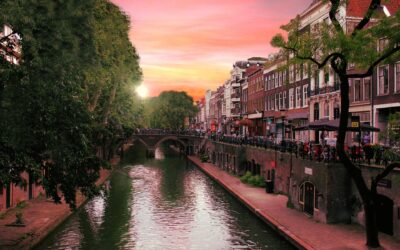
The canals shape the soul of Amsterdam. Walking beside them gives constant views that feel calm and cinematic. Because houses lean and reflect in the water, every angle feels unique. Historic streets nearby add texture with narrow paths and old details. Moreover, bridges offer perfect spots to stop and look around. As you move, the city reveals layers of time and style. Boats pass slowly, which adds motion without noise. Additionally, mornings feel quiet while afternoons bring gentle buzz. This change keeps the walk interesting. By exploring on foot, you notice patterns and surprises. These moments help you understand the city beyond photos.
Museums that give a strong first impression
Museums in Amsterdam offer a powerful introduction to art and history. Many sit close together, which saves time and energy. Because collections feel focused, visits stay engaging rather than overwhelming. You can learn about famous artists, local stories, and creative movements. At the same time, museum spaces feel welcoming and modern. As a result, even first time visitors feel comfortable. Spending a few hours inside adds depth to your trip. Later, stepping back outside makes the city feel richer. Therefore, museums work best early in the trip. They frame what you see later on the streets.
Evening plans with food and relaxed bars
Evenings in Amsterdam feel social and laid back. Food spots range from simple bites to stylish dining. Because service feels friendly, meals turn into experiences. After dinner, bars invite conversation rather than rush. Many places sit near canals, which adds atmosphere. Music stays varied, from chill playlists to live sets. As a result, nights feel flexible and personal. You can stay out late or head back early without missing out. This relaxed nightlife suits short trips well. It helps you recharge while still feeling part of the city.
Day Two Culture Food and Hidden Spots
Day two invites deeper exploration. After seeing highlights, you can slow the pace. Focus on culture, food, and less obvious places. Start with art or history in the morning when energy feels high. Later, wander through neighborhoods with local shops and markets. Because crowds thin out here, experiences feel more real. Food plays a big role today. Street snacks and small eateries offer flavor and comfort. As the day moves on, hidden spots appear naturally. This mix creates a memorable rhythm. Therefore, day two often becomes a favorite.
Art history and creative spaces
Art and history blend smoothly in Amsterdam. Museums such as the Rijksmuseum and Van Gogh Museum and galleries show classic works and modern ideas side by side. Because spaces feel open and bright, visits stay inspiring. Creative hubs also appear in former industrial areas. These spots host studios, pop ups, and exhibitions. As a result, culture feels alive and current. Exploring these places adds contrast to traditional sights. You see how the city evolves while honoring its past. This balance makes cultural exploration feel fresh.
Local neighborhoods with character
Local neighborhoods reveal daily life in Amsterdam. Streets feel calmer, while shops feel personal. Because residents shape these areas, atmosphere changes quickly. You might find vintage stores, bakeries, or quiet squares. Moreover, cafes feel like community hubs rather than tourist stops. Walking here slows your pace and sharpens observation. You notice routines, sounds, and small details. These moments create connection. They help the city feel familiar rather than distant.
Street food markets and casual dining
Street food and casual dining bring energy to day two. Markets offer quick bites with bold flavors. Because options vary, tasting becomes playful. You can share snacks or try something new without commitment. Casual restaurants continue this relaxed style. Meals feel social and unpretentious. As a result, food becomes part of exploration. It adds warmth and comfort between activities. This approach suits travelers who like variety and ease.
Day Three Extra Time or Easy Day Trips
A third day gives space to breathe. You can revisit favorite spots or explore nearby areas. Starting slow feels rewarding after busy days. Because options stay close, travel feels light. You might choose nature, small towns, or extra culture. This flexibility lets you shape the day to your mood. Some travelers stay in the city, while others venture out. Both choices work well. The key lies in keeping things easy. Day three adds softness and balance to the trip.
Green parks and slow mornings
Green parks offer calm and space on day three. Wide paths and open lawns invite rest. Because parks sit near the center, access feels simple. Morning light creates peaceful scenes. Locals jog, relax, or meet friends. Joining this rhythm feels grounding. A slow morning helps you recharge before more exploring. It also creates contrast with busy streets. These quiet hours often leave strong memories.
Small towns and countryside close by
Nearby towns and countryside show another side of the region. Short travel times make trips easy. You see windmills, fields, and small centers with charm. Because life moves slower here, visits feel refreshing. Cafes and shops feel personal and welcoming. This change of scenery adds depth to your journey. Returning to the city later feels satisfying. It highlights the variety available in a short stay.
Best Time of Year to Visit Amsterdam
The best time to visit depends on your travel style. Each season brings a different mood. Weather, crowds, and events change the experience. Because the city adapts well, every period has value. Understanding these differences helps you choose wisely. Some prefer lively energy, while others enjoy calm streets. Seasonal changes shape light, colors, and daily rhythms. This variety keeps Amsterdam interesting year round.
Spring flowers and fresh energy
Spring brings color and optimism to the city. Flowers bloom across parks and streets. Because days grow longer, energy rises. Cafes open terraces and people spend more time outside. Cultural events begin to appear. This season feels light and hopeful. Walking becomes especially pleasant. The city feels awake and creative.
Summer events and long days
Summer delivers long days and lively nights. Sunlight stretches into late hours. Because of this, schedules feel flexible. Events fill parks and squares. Outdoor dining becomes popular. Although crowds increase, atmosphere stays joyful. The city feels social and playful. Summer suits travelers who enjoy buzz and activity.
Fall colors and fewer crowds
Fall offers a softer version of the city. Trees change color and light feels warm. Because crowds thin out, exploring feels calm. Museums and cafes feel more relaxed. Weather stays mild, which supports walking. This season suits travelers who like balance. It combines beauty with breathing room.
Practical Tips for a Smooth Visit
Practical tips help your trip run smoothly. Small preparations reduce stress. Knowing local habits improves comfort. Because the city feels efficient, adjusting feels easy. Planning basics ahead saves time later. These tips support confidence and flow. They let you focus on enjoyment instead of problems.
Money safety and local habits
Money matters stay simple with cards widely accepted. Carrying little cash feels normal. Safety levels feel high, yet awareness remains important. Bikes rule the streets, so staying alert helps. Locals value direct communication and respect for space. Following these habits creates smooth interactions. Understanding norms builds comfort and trust.
What to pack for changing weather
Packing smart helps handle changing weather. Layers work better than heavy items. A light jacket and comfortable shoes feel essential. Rain appears quickly, so protection helps. Because walking dominates, comfort matters most. Being prepared keeps plans flexible. It allows you to enjoy the city in any condition.