The Wire is known for its deep stories and sharp social commentary. One of the most talked about moments appears in season three with the creation of Hamsterdam. Many viewers link this fictional place to Amsterdam because of the name and the idea behind it. That link sounds logical, but it misses an important point. Hamsterdam exists only as a TV concept designed to push drama and raise questions. Amsterdam exists as a real city where people live, work, and spend their free time every day.
This article explains why the comparison does not fully work. The Wire uses Hamsterdam to show what happens when leaders make extreme choices under pressure. Amsterdam represents a long developed city shaped by planning, rules, and social balance. The show exaggerates reality to tell a story, while the real city focuses on structure and daily life. Understanding this difference helps viewers appreciate the reference without confusing fiction with real urban culture.
What “Hamsterdam” Means in The Wire
Hamsterdam appears as an experiment inside the story of The Wire. A police leader creates it to reduce problems in other neighborhoods. He believes that moving trouble into one controlled area will improve safety elsewhere. The idea feels radical, and the show presents it that way on purpose. Hamsterdam shocks both the characters and the audience.
The series uses this concept to explore power, responsibility, and unintended results. Hamsterdam is not about building a healthy community. It serves as a dramatic tool that exposes how systems react under stress. The Wire shows how fast control can turn into chaos when clear limits disappear. This storyline works because it feels uncomfortable and real. Still, it remains fiction. The show never presents Hamsterdam as a model for real cities, but as a question that challenges viewers to think deeper.
A Fictional Zone Created to Control City Problems
In the show, Hamsterdam functions as a pressure valve. Leaders move specific problems into one place to protect the rest of the city. This decision comes from frustration with traditional methods. The creators use this setup to explore moral conflict and political risk. Characters argue, doubt themselves, and face consequences.
The zone feels intense because it removes normal boundaries. That choice helps the show create strong emotions and fast moving scenes. However, this approach simplifies how cities actually work. Real cities rely on long term planning, cooperation, and clear rules. Hamsterdam ignores these elements to make a point. It represents a shortcut taken in a moment of crisis, not a sustainable way to manage a city.
Why the Show Uses an Extreme Example
The Wire often pushes ideas to their limits. Hamsterdam exists to test how far a system can bend before it breaks. The writers choose an extreme scenario because it reveals character and structure quickly. Viewers see how institutions react when someone challenges the norm.
This storytelling choice fits the style of the series. The Wire does not aim to comfort. It aims to provoke thought. Hamsterdam forces viewers to ask hard questions about control and responsibility. Extreme examples help deliver that message clearly. Still, the show expects the audience to understand that drama does not equal reality. The exaggeration serves the story, not real world comparison.
Why The Wire Mentions a Dutch-Sounding Name
The name Hamsterdam immediately stands out. It sounds familiar and foreign at the same time. The writers use this effect to trigger association without explanation. Many viewers connect the sound to Amsterdam, a city often linked with open thinking and urban planning.
This naming choice adds depth with very little effort. It signals that the idea did not appear from nowhere. The show hints at international influence while staying inside its own story. That subtle reference works well for a global audience. It invites curiosity without breaking the flow of the narrative.
How the Name Triggers Ideas of Tolerance and Order
Words carry meaning, especially in a show like The Wire. Hamsterdam suggests tolerance, structure, and control. These ideas match the themes the storyline explores. Viewers may connect the name with cities known for balance and planning.
This trigger works on a cultural level. The show does not explain the reference because it trusts the audience. The name alone sparks thought. It acts as shorthand for a broader concept of urban thinking. That efficiency fits the smart and layered writing style of the series.
Why the Reference Works for an International Audience
The Wire reaches viewers far beyond its setting. A name like Hamsterdam helps bridge cultures. It sounds global and familiar at once. That mix allows international viewers to connect with the idea quickly.
The reference feels inclusive rather than specific. It invites interpretation instead of instruction. That openness helps the show resonate worldwide. People from different backgrounds read meaning into the name based on their own knowledge and experience.
Amsterdam in Real Life vs. “Hamsterdam” on TV
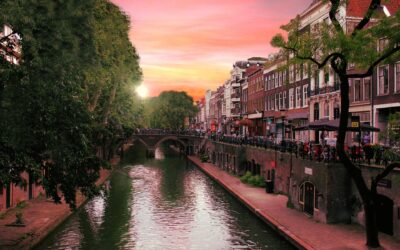
Amsterdam exists as a living city with structure, rhythm, and daily routines. People commute, meet friends, and explore neighborhoods. The city grows through planning and clear rules developed over time.
Hamsterdam lacks this foundation. It appears suddenly and disappears just as fast. The TV version strips away complexity to create tension. Real life cities never work that way. They evolve slowly through cooperation and adjustment. This difference shows why the comparison remains limited.
A Real City With Rules, Structure, and Daily Life
Amsterdam operates on clear systems. Local life depends on balance between freedom and responsibility. Neighborhoods function through planning, community, and shared space.
This structure allows the city to feel open while staying organized. Visitors notice the flow of daily life rather than chaos. That experience stands far from the controlled disorder shown in Hamsterdam.
Why Amsterdam Is Often Misunderstood in Pop Culture
Pop culture often simplifies cities. It focuses on one idea and ignores the rest. Amsterdam frequently appears as a symbol instead of a place.
This reduction makes comparison easy but inaccurate. Real cities contain many layers. Understanding that complexity helps separate fiction from reality.
Why the Comparison With “Hamsterdam” Falls Short
Comparing Amsterdam to Hamsterdam oversimplifies both. One is fiction built for drama. The other is a functioning city shaped by time. The Wire never claims realism in this comparison. Viewers add that link themselves. Recognizing the difference improves understanding.
TV Drama Versus Real Urban Policy
TV drama needs conflict and speed. Real policy needs patience and cooperation. These goals rarely align. Hamsterdam accelerates consequences. Real cities slow them down through planning.
Why Fiction Simplifies Complex City Systems
Stories work best when clear. Complexity often gets reduced to symbols. Hamsterdam acts as one such symbol. It represents an idea, not a blueprint.
What Viewers Should Understand About Amsterdam
Amsterdam reflects everyday urban life. People experience the city through routines, culture, and social spaces. Understanding this reality helps viewers appreciate the reference without confusion. Fiction points toward ideas, not facts.
A Modern City Shaped by History and Planning
History and planning shape how the city feels today. Old structures meet modern needs. This balance defines the city experience and separates it from fictional extremes.
Why Everyday Life Matters More Than Stereotypes
Stereotypes flatten reality. Everyday life shows truth. Looking beyond surface ideas reveals how cities actually work.
Why Fans of The Wire Are Curious About Amsterdam
Fans of The Wire value realism and depth. They enjoy stories that challenge simple thinking. Amsterdam attracts interest because it reflects thoughtfulness and balance. That shared mindset explains the curiosity.
Shared Themes Like Realism, Culture, and Debate
The Wire and Amsterdam both connect to realism and open discussion. These themes resonate with viewers who enjoy layered perspectives.
Interest in Cities That Challenge Simple Thinking
Some cities invite deeper understanding. They resist easy labels. That complexity attracts people who value meaning over shortcuts.