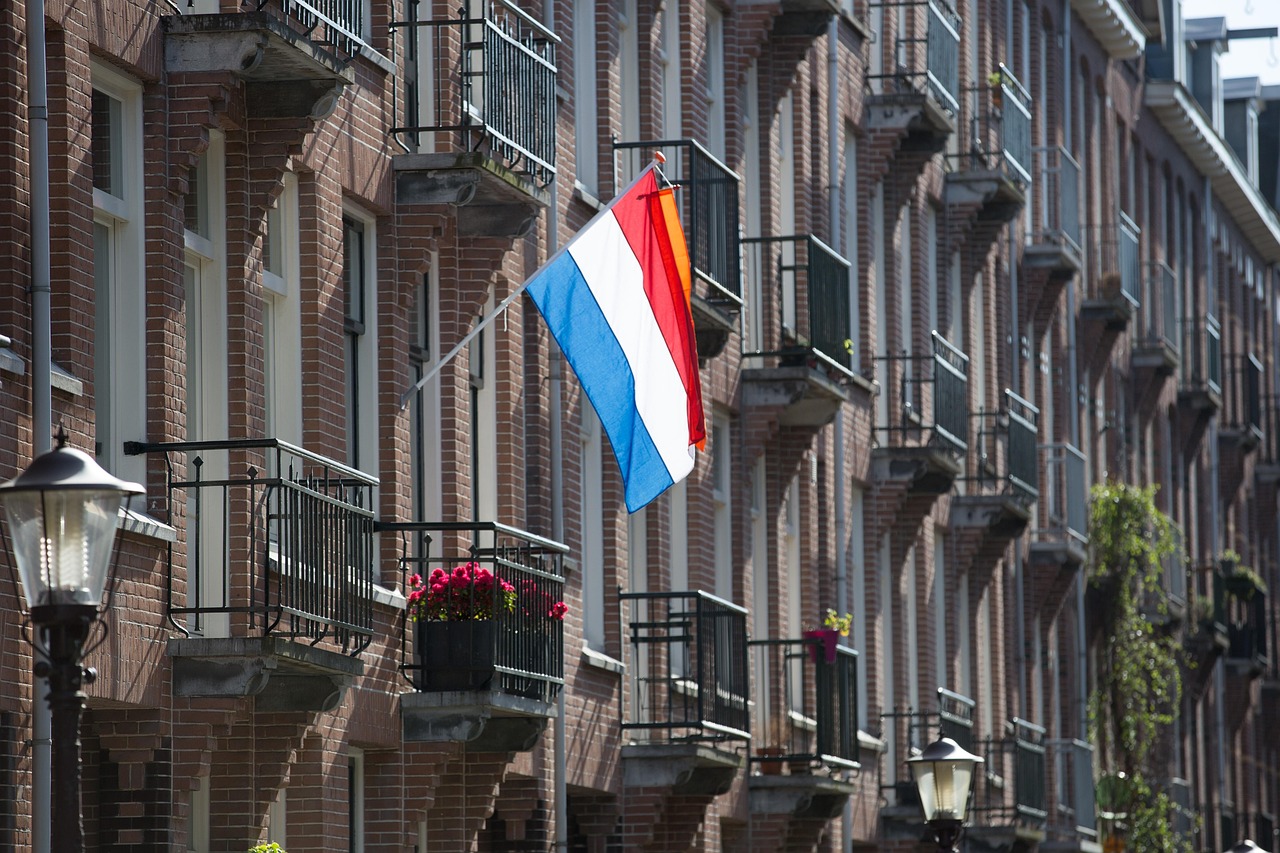
Discover what languages are spoken in the Netherlands. Learn about Dutch, Frisian, dialects. and how widely English is used by locals.
What Languages Are Spoken in the Netherlands?
The Netherlands is a small country with a rich cultural background and a fascinating mix of languages.
For many tourists, one of the most common questions before visiting is: “Do Dutch people speak English?”
This article explores the official languages, regional dialects, and how easy it is to communicate as a traveler in the Netherlands.
Official Languages of the Netherlands
Dutch – the Main National Language
Dutch (Nederlands) is the official and most widely spoken language in the Netherlands.
It is used in education, government, and daily life.
Did you know that the Dutch language is in the top-15 most used languages on the internet?
The Dutch language is a West-Germanic language and somewhat similar to the German language with certain structures and words.
Frisian – Recognized Language
Aloongside Dutch, Frisian is recognized as a second official language. In the province of Friesland, Frisian (Frysk) is spoken.
Road signs, schools, and local media often use both Dutch and Frisian.
Although fewer people speak Frisian compared to Dutch, it remains an important part of regional heritage.
Frisian is closely related to English and Dutch, making it one of the closest languages to English still spoken today. The language has several dialects, including West Frisian, North Frisian, and Saterland Frisian, each reflecting the distinct cultural heritage of their respective communities.
Frisian is not only a means of communication but also a vital part of the region’s traditions, literature, and identity, with ongoing efforts to promote its use in education and daily life.
Regional Dialects and Local Variations
Besides Dutch and Frisian, there are many regional dialects such as Limburgish and Low Saxon.
These dialects vary by region and are often spoken alongside standard Dutch.
For visitors, these dialects may sound quite different, but most people will switch easily to Dutch or English when needed.
Limburgs
Limburgs is a regional language and dialect cluster spoken in the province of Limburg in the southeastern Netherlands and parts of northeastern Belgium and Germany. It belongs to the Franconian group of the West Germanic language family and has several local variants, such as Maastrichts, Heerlens, and Venloos.
Do Dutch People Speak English?
High English Proficiency
Yes – almost everyone in the Netherlands speaks English very well!
In fact, the Dutch consistently rank among the highest non-native English speakers worldwide.
Most people working in the retail in Amsterdam Central use English before the Dutch language, because of the international atmosphere.
This makes it easy for tourists to communicate in restaurants, hotels, museums, and shops without knowing any Dutch.
Using English While Traveling
In major cities such as Amsterdam, Rotterdam, and Utrecht, English is widely spoken in customer service and daily interactions.
Even outside of the cities, locals are usually comfortable speaking English.
This means you can travel through the Netherlands without facing a language barrier.
Other Languages in the Netherlands
Languages from abroad
The Netherlands is a multicultural society, so you will also hear several languages. These languages reflect the diverse backgrounds of Dutch residents.
German and French – Influence from Neighbors
Because the Netherlands borders Germany and Belgium, German and French are also relatively common.
Many Dutch people study these languages at school and may use them in business or travel contexts.
Discover More About Dutch Culture
Language is just one part of the Dutch identity.
If you’d like to dive deeper into Dutch traditions, food, and experiences, check out our other guides:
With a mix of languages, a welcoming culture, and strong English skills,
the Netherlands is one of the easiest European countries to explore for international travelers.