Football is the most popular sport to watch in the Netherlands, but Dutch sports culture goes far beyond football. Cycling, darts, Formula 1, field hockey, speed skating, the Olympic Games and athletics all attract large and passionate audiences.
For visitors, watching sport in the Netherlands can be a great way to experience Dutch culture. Some sports are popular throughout the country, while others have a particularly strong connection with Dutch history, national success or major sporting events.
So which are the most popular sports to watch in the Netherlands, and which ones are most interesting for visitors? Football is the clear number one, but several other sports can provide an equally memorable experience depending on the time of year and personal interests.
Last updated: August 18, 2026.
What is the most popular sport to watch in the Netherlands?
Football is by far the most popular sport to watch in the Netherlands. Millions of people follow professional football, while stadiums attract large crowds every week. The Dutch national team, known as Oranje, can bring an even wider audience together when important international matches are played.
The popularity of football is not limited to one competition. Dutch viewers follow the Eredivisie, international matches involving the Netherlands and major European leagues such as the Premier League, La Liga and Serie A.
The Eredivisie remains particularly important because Dutch supporters have a strong connection with their local clubs. During the 2025/26 season, Stadium occupancy in the Eredivisie reached 95 percent. Around 10 million people in the Netherlands followed developments in professional football.
Why football is so popular in the Netherlands
Football is deeply connected to Dutch sporting culture. Many towns and cities have professional clubs with strong local identities, while amateur football is also widely played throughout the country.
The atmosphere around an important match can be just as interesting as the football itself. Supporters meet before the game, travel to the stadium together and spend the match singing, cheering and discussing every important moment.
For visitors who want to experience Dutch football culture, a live match can therefore be more than a sporting event. It can be an introduction to the local character of a city or region.
Football: the Dutch favourite
The Eredivisie
The Eredivisie is the highest level of men's professional football in the Netherlands and is one of the best places to experience Dutch football in person.
Ajax Amsterdam, PSV Eindhoven and Feyenoord Rotterdam are traditionally regarded as the biggest clubs in Dutch football. Together, these three clubs have won the overwhelming majority of Dutch national titles. Ajax has won the most, followed by PSV and Feyenoord.
The appeal of the Eredivisie is not only about the biggest clubs. Regional rivalries, packed stadiums and the development of young players give many matches their own character. The league is also known for entertaining football.
For someone visiting the Netherlands, choosing an Eredivisie match can therefore be an excellent way to combine sightseeing with a genuine Dutch sporting experience.
Ajax, PSV and Feyenoord
These three clubs have supporters throughout the Netherlands, although each club has a particularly strong connection with its home city.
Ajax is based in Amsterdam and has a long history of domestic and European success. The club is also closely associated with the development of technically gifted players.

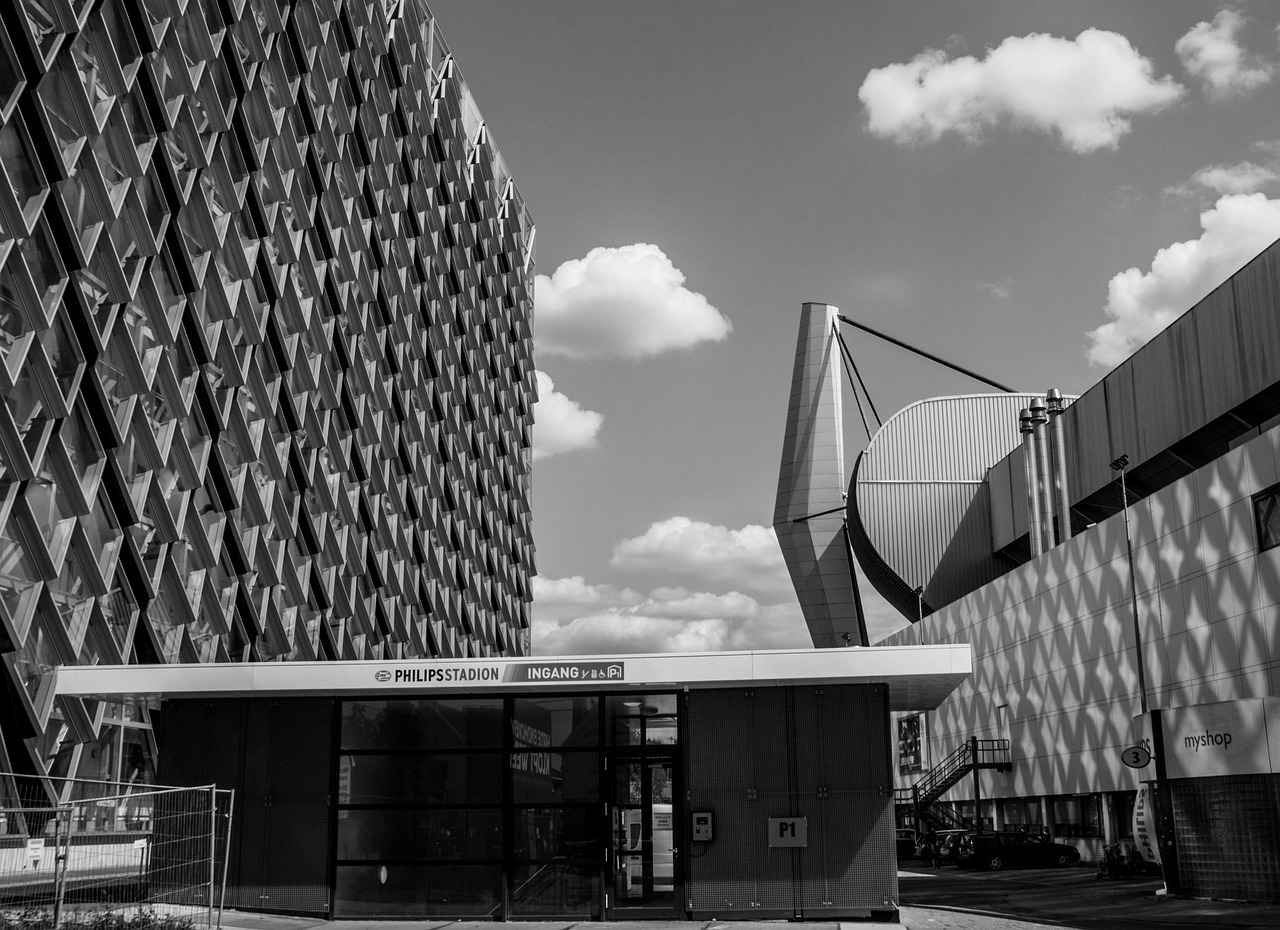
PSV represents Eindhoven and has traditionally been one of the country's strongest clubs. Its home matches at the Philips Stadion are an important part of the sporting identity of the city.
Feyenoord is based in Rotterdam and has an especially passionate following. Matches at De Kuip are famous for their atmosphere and strong connection between the supporters and the club.

For anyone planning to attend a match, the stadium itself can be part of the experience. The article Best Football Stadiums in the Netherlands provides a useful next step for comparing Dutch football grounds and deciding which stadium could be most interesting to visit.
Watching the Dutch national team
The Dutch national team, commonly known as Oranje, occupies a special place in the country's sporting culture. When the national team plays an important match, football can become a national event rather than something followed only by club supporters.
The Netherlands has a long international football history, including winning the European Championship in 1988 and reaching three men's World Cup finals. The distinctive orange shirts, large public gatherings and enthusiastic supporters give international matches a different atmosphere from ordinary league games.
The Netherlands also qualified for the 2026 FIFA World Cup, giving Dutch supporters another major international tournament to follow.
Why an Oranje match feels different
Club football divides supporters between different cities and teams. Oranje brings those supporters together.
During major tournaments, streets, cafés, bars and living rooms can turn orange. Supporters wear orange clothing, flags appear throughout cities and important matches become social occasions.
That national connection is one of the reasons football is such an important part of Dutch sports culture. The KNVB itself describes Oranje as its flagship team and highlights the country's long association with entertaining and technically focused football.
Which football competitions do people in the Netherlands watch?
The Eredivisie
The Eredivisie is the natural starting point for understanding Dutch football. It provides the strongest connection between Dutch supporters and their local clubs, and live matches offer the opportunity to experience that connection directly.
Television coverage also makes the league accessible to viewers who cannot attend matches in person. During the 2025/26 season, Eredivisie broadcasts on ESPN, while NOS highlights added a much larger television audience. If you have a Ziggo television subscription ESPN-channels of the Netherlands are free to watch in the season 2026/2027.
The Premier League
The Premier League is also widely followed in the Netherlands, particularly when major English clubs are playing. The international popularity of clubs such as Manchester United, Liverpool, Arsenal, Manchester City and Chelsea gives English football a substantial Dutch audience.
For many Dutch football fans, following the Premier League complements rather than replaces following the Eredivisie. A supporter can follow a local Dutch club at the weekend while also watching major English matches. via s
La Liga
Spanish football has its own appeal, especially for supporters interested in technically skilled football and famous clubs. La Liga attracts Dutch viewers through clubs such as Barcelona, Real Madrid and Atlético Madrid.
Spanish football can be particularly interesting for visitors who already follow European football and want to understand which foreign competitions are commonly watched alongside Dutch football.
Serie A
Italian football has a smaller place in the Dutch viewing landscape than the Eredivisie or Premier League, but Serie A still attracts football fans who enjoy its famous clubs, tactical approach and long history.
It is therefore better viewed as part of the wider European football interest in the Netherlands rather than as one of the country's primary domestic sporting competitions.
Where should a visitor start?
For a first experience of Dutch football, an Eredivisie match is usually the most natural choice. It combines local supporters, a Dutch club, a real stadium atmosphere and the opportunity to experience football as it is followed in the Netherlands.
An Oranje match can be even more spectacular when the national team is playing an important international fixture. Major European league matches are another option for visitors who already have a favourite international club.
The best choice ultimately depends on whether the priority is experiencing Dutch football culture, seeing a particular club or simply watching a high level of European football.
Cycling: a Dutch favourite throughout the summer
Cycling is one of the sports most closely associated with the Netherlands. The country is famous for everyday cycling, but watching professional cycling is also an important part of Dutch sports culture.
When the Tour de France takes place in July, many Dutch viewers follow the race from the opening stages through to the finish in Paris. The combination of Dutch riders, spectacular scenery, difficult climbs, sprint finishes and unpredictable racing makes the Tour particularly attractive to watch.
Why the Tour de France is so popular in the Netherlands
The Tour de France is one of the biggest annual sporting events followed by Dutch audiences. It combines endurance, tactics, speed and spectacular scenery over several weeks.
Dutch interest becomes even stronger when Dutch riders are competing for stage victories, the overall classification or one of the distinctive jerseys. Riders such as Mathieu van der Poel and Olav Kooij give Dutch viewers a reason to follow individual stages as well as the overall race.
The 2026 Tour de France provided another memorable example. Mathieu van der Poel won the final stage in Paris, while Olav Kooij had already taken a stage victory earlier in the race. Their performances gave Dutch cycling fans plenty to follow during the three week event.
Watching the Tour de France in the Netherlands
Watching cycling does not require a visit to a stadium. The Tour de France is particularly suited to watching in a café, at home or with friends because the race lasts for several hours and provides plenty of opportunities to discuss the riders and tactics.
The final kilometres of a stage are usually the most important moments to watch. Sprint stages can finish with a high speed battle between sprinters, while mountain stages can produce attacks from the strongest climbers and overall contenders.
For visitors interested in Dutch sports culture, July is therefore an excellent time to discover how seriously professional cycling is followed in the Netherlands.
Why Dutch cycling is more than the Tour de France
The Tour de France is the most famous cycling event, but Dutch cycling culture extends throughout the year. Road cycling, track cycling and cyclocross all have established audiences.
The Netherlands has also produced many successful cyclists. Dutch riders have achieved major victories in road racing, track cycling and stage races, while Dutch women have also enjoyed considerable success at international level.
That combination of everyday cycling and elite professional sport makes cycling different from many other spectator sports in the Netherlands. The bicycle is part of ordinary Dutch life, while the biggest races turn that familiar activity into a major sporting spectacle.
Darts: a sport with a strong Dutch following
Darts has become one of the most entertaining sports to watch in the Netherlands. The sport combines individual competition with a lively atmosphere, making major tournaments particularly appealing to television viewers and spectators.
Raymond van Barneveld and the rise of Dutch darts
Raymond van Barneveld played a major role in making darts popular among Dutch sports fans. His victory at the 1998 World Darts Championship helped turn him into a national sporting hero and introduced many new Dutch viewers to professional darts.
His success was followed by another generation of Dutch players, most notably Michael van Gerwen. Van Gerwen became one of the dominant players of his generation and helped keep Dutch interest in professional darts extremely high.
Other Dutch players have also become important names on the professional circuit. This continued Dutch presence gives supporters a reason to follow major tournaments even when Van Barneveld or Van Gerwen are not competing for the title.
The World Darts Championship
The World Darts Championship is the biggest darts event for many Dutch viewers. Played during the Christmas and New Year period, it has become an important part of the winter sporting calendar.
The tournament attracts attention because of its combination of world class players, dramatic matches and a distinctive atmosphere. Dutch supporters are particularly interested when Dutch players progress through the tournament.
The timing also helps make the championship special. While many other major sporting competitions take a break around Christmas, the World Darts Championship provides several weeks of high level darts during the holiday period.
Why darts is so entertaining to watch
Darts is easy to understand at a basic level. Players need to score points with a limited number of darts, while the highest level of the sport demands remarkable accuracy and consistency.
The format also creates plenty of tension. A player can dominate a match for several legs and then suddenly face pressure when an opponent starts hitting high scores and finishing difficult combinations.
The atmosphere is another important part of the appeal. Major darts tournaments are known for enthusiastic crowds, costumes, songs and supporters celebrating with their friends.
For visitors looking for a relaxed sporting experience rather than a traditional stadium match, a major darts event can therefore provide a very different way to experience Dutch sports culture.
Formula 1: the Max Verstappen effect
Formula 1 became exceptionally popular in the Netherlands through the success of Max Verstappen. His victories and world championship successes created a huge following among Dutch fans, many of whom became interested in the sport because of their national driver.
The Dutch Grand Prix at Zandvoort added a unique local dimension to that popularity. The combination of Formula 1, the Dutch coast and thousands of fans wearing orange made the event one of the most distinctive sporting weekends in the Netherlands.
The final Dutch Grand Prix took place in 2026
The Dutch Grand Prix at Zandvoort was held for the final time in 2026. The race weekend took place in August 2026 and marked the end of the Netherlands' current place on the Formula 1 calendar.
The final Dutch Grand Prix produced plenty of drama. Lando Norris won the race, with Kimi Antonelli finishing second and George Russell third. Max Verstappen was unable to finish after an early incident brought an abrupt end to his home race.
For Dutch Formula 1 fans, the 2026 event therefore represented the end of an important period in the country's modern sporting history.
Why Formula 1 became so popular in the Netherlands
Max Verstappen is the biggest reason for the enormous growth of Formula 1 interest in the Netherlands. His success gave Dutch viewers a driver to support and created a strong national connection with a sport that previously had a much smaller audience.
The orange clothing worn by Dutch supporters became one of the most recognisable features of the modern Formula 1 atmosphere. At races around the world, large groups of Dutch fans travel to support Verstappen, creating a distinctive orange presence in the grandstands.
His success has also changed how Formula 1 is discussed in the Netherlands. The sport is no longer something followed only by a relatively small group of motorsport enthusiasts. Race weekends have become important events for a much wider audience.
Can Formula 1 still be watched in the Netherlands?
Yes. The end of the Dutch Grand Prix does not mean the end of Formula 1's popularity in the Netherlands.
Dutch viewers can continue to follow the Formula 1 season as the championship travels to circuits around the world. The absence of a home race simply means that Dutch fans will no longer have a Formula 1 weekend at Zandvoort to look forward to each year.
For visitors who wanted to experience the famous orange atmosphere at Zandvoort, however, 2026 marked the end of a unique chapter. Formula 1 remains popular in the Netherlands, but the country's home Grand Prix is now part of its sporting history.
Cycling: a Dutch favourite throughout the summer
Cycling is one of the sports most closely associated with the Netherlands. The country is famous for everyday cycling, but watching professional cycling is also an important part of Dutch sports culture.
When the Tour de France takes place in July, many Dutch viewers follow the race from the opening stages through to the finish in Paris. The combination of Dutch riders, spectacular scenery, difficult climbs, sprint finishes and unpredictable racing makes the Tour particularly attractive to watch.
Why the Tour de France is so popular in the Netherlands
The Tour de France is one of the biggest annual sporting events followed by Dutch audiences. It combines endurance, tactics, speed and spectacular scenery over several weeks.
Dutch interest becomes even stronger when Dutch riders are competing for stage victories, the overall classification or one of the distinctive jerseys. Riders such as Mathieu van der Poel and Olav Kooij give Dutch viewers a reason to follow individual stages as well as the overall race.
The 2026 Tour de France provided another memorable example. Mathieu van der Poel won the final stage in Paris, while Olav Kooij had already taken a stage victory earlier in the race. Their performances gave Dutch cycling fans plenty to follow during the three week event.
Watching the Tour de France in the Netherlands
Watching cycling does not require a visit to a stadium. The Tour de France is particularly suited to watching in a café, at home or with friends because the race lasts for several hours and provides plenty of opportunities to discuss the riders and tactics.
The final kilometres of a stage are usually the most important moments to watch. Sprint stages can finish with a high speed battle between sprinters, while mountain stages can produce attacks from the strongest climbers and overall contenders.
For visitors interested in Dutch sports culture, July is therefore an excellent time to discover how seriously professional cycling is followed in the Netherlands.
Why Dutch cycling is more than the Tour de France
The Tour de France is the most famous cycling event, but Dutch cycling culture extends throughout the year. Road cycling, track cycling and cyclocross all have established audiences.
The Netherlands has also produced many successful cyclists. Dutch riders have achieved major victories in road racing, track cycling and stage races, while Dutch women have also enjoyed considerable success at international level.
That combination of everyday cycling and elite professional sport makes cycling different from many other spectator sports in the Netherlands. The bicycle is part of ordinary Dutch life, while the biggest races turn that familiar activity into a major sporting spectacle.
Darts: a sport with a strong Dutch following
Darts has become one of the most entertaining sports to watch in the Netherlands. The sport combines individual competition with a lively atmosphere, making major tournaments particularly appealing to television viewers and spectators.
Raymond van Barneveld and the rise of Dutch darts
Raymond van Barneveld played a major role in making darts popular among Dutch sports fans. His victory at the 1998 World Darts Championship helped turn him into a national sporting hero and introduced many new Dutch viewers to professional darts.
His success was followed by another generation of Dutch players, most notably Michael van Gerwen. Van Gerwen became one of the dominant players of his generation and helped keep Dutch interest in professional darts extremely high.
Other Dutch players have also become important names on the professional circuit. This continued Dutch presence gives supporters a reason to follow major tournaments even when Van Barneveld or Van Gerwen are not competing for the title.
The World Darts Championship
The World Darts Championship is the biggest darts event for many Dutch viewers. Played during the Christmas and New Year period, it has become an important part of the winter sporting calendar.
The tournament attracts attention because of its combination of world class players, dramatic matches and a distinctive atmosphere. Dutch supporters are particularly interested when Dutch players progress through the tournament.
The timing also helps make the championship special. While many other major sporting competitions take a break around Christmas, the World Darts Championship provides several weeks of high level darts during the holiday period.
Why darts is so entertaining to watch
Darts is easy to understand at a basic level. Players need to score points with a limited number of darts, while the highest level of the sport demands remarkable accuracy and consistency.
The format also creates plenty of tension. A player can dominate a match for several legs and then suddenly face pressure when an opponent starts hitting high scores and finishing difficult combinations.
The atmosphere is another important part of the appeal. Major darts tournaments are known for enthusiastic crowds, costumes, songs and supporters celebrating with their friends.
For visitors looking for a relaxed sporting experience rather than a traditional stadium match, a major darts event can therefore provide a very different way to experience Dutch sports culture.
Formula 1: the Max Verstappen effect
Formula 1 became exceptionally popular in the Netherlands through the success of Max Verstappen. His victories and world championship successes created a huge following among Dutch fans, many of whom became interested in the sport because of their national driver.
The Dutch Grand Prix at Zandvoort added a unique local dimension to that popularity. The combination of Formula 1, the Dutch coast and thousands of fans wearing orange made the event one of the most distinctive sporting weekends in the Netherlands.
The final Dutch Grand Prix took place in 2026
The Dutch Grand Prix at Zandvoort was held for the final time in 2026. The race weekend took place in August 2026 and marked the end of the Netherlands' current place on the Formula 1 calendar.
The final Dutch Grand Prix produced plenty of drama. Lando Norris won the race, with Kimi Antonelli finishing second and George Russell third. Max Verstappen was unable to finish after an early incident brought an abrupt end to his home race.
For Dutch Formula 1 fans, the 2026 event therefore represented the end of an important period in the country's modern sporting history.
Why Formula 1 became so popular in the Netherlands
Max Verstappen is the biggest reason for the enormous growth of Formula 1 interest in the Netherlands. His success gave Dutch viewers a driver to support and created a strong national connection with a sport that previously had a much smaller audience.
The orange clothing worn by Dutch supporters became one of the most recognisable features of the modern Formula 1 atmosphere. At races around the world, large groups of Dutch fans travel to support Verstappen, creating a distinctive orange presence in the grandstands.
His success has also changed how Formula 1 is discussed in the Netherlands. The sport is no longer something followed only by a relatively small group of motorsport enthusiasts. Race weekends have become important events for a much wider audience.
Can Formula 1 still be watched in the Netherlands?
Yes. The end of the Dutch Grand Prix does not mean the end of Formula 1's popularity in the Netherlands.
Dutch viewers can continue to follow the Formula 1 season and Max Verstappen as the championship travels to circuits around the world. The absence of a home race simply means that Dutch fans will no longer have a Formula 1 weekend at Zandvoort to look forward to each year.
For visitors who wanted to experience the famous orange atmosphere at Zandvoort, however, 2026 marked the end of a unique chapter. Formula 1 remains popular in the Netherlands, but the country's home Grand Prix is now part of its sporting history.
Field hockey: a successful Dutch team sport
Field hockey is one of the most successful team sports in the Netherlands and has a particularly strong following among people who enjoy watching international competitions. Dutch men's and women's teams have regularly competed for major titles, while hockey clubs are found throughout the country.
For visitors, field hockey can be an interesting sport to watch because the Netherlands has a genuine tradition of international success. The sport also has a strong connection with Dutch youth and club sports, making it more than an occasional event that attracts attention only during the Olympic Games.
Why field hockey is popular in the Netherlands
The Netherlands has a large field hockey community, with both men and women actively involved in the sport. This broad participation helps explain why international hockey receives considerable attention when the Dutch national teams are competing.
The Dutch teams are particularly successful at major international tournaments. The women's team has been one of the strongest sides in international hockey for decades, while the men's team has also achieved major tournament victories.
Olympic hockey is especially popular
The Olympic Games provide one of the best opportunities to see why field hockey matters in the Netherlands. At the Paris 2024 Olympic Games, the Netherlands won gold in both the men's and women's field hockey tournaments.
Winning both Olympic titles made the achievement particularly special for Dutch hockey. It also demonstrates why field hockey deserves a place among the sports that Dutch viewers follow when major international competitions are taking place.
For visitors who enjoy fast team sports, field hockey can be a good alternative to football. The game is quick, technical and tactical, with matches capable of changing direction within a few minutes.
Where does field hockey fit into Dutch sports culture?
Field hockey does not have the same mass television audience as football, but its importance becomes much more visible when the Netherlands is competing for an international title.
The sport also has a strong club culture. Local hockey clubs provide a social environment for players, families and supporters, creating a connection between participation and watching elite competition.
This makes field hockey a good example of a Dutch sport that may be less obvious to international visitors but is nevertheless deeply established in the country.
Ice skating: a Dutch passion
Ice skating has a special place in Dutch sports culture. Speed skating in particular has produced generations of Dutch Olympic and world champions, and major competitions can attract large television audiences.
For Dutch viewers, speed skating is not simply another winter sport. The country has developed an exceptional tradition in the sport, especially in long distance events, and successful Dutch skaters often become household names.
Speed skating and Dutch Olympic success
The Winter Olympics are one of the best occasions to see the popularity of speed skating in the Netherlands. Dutch athletes have repeatedly won Olympic medals in speed skating, making the sport one of the country's most successful Olympic disciplines.
Names such as Sven Kramer and Ireen Wüst became closely associated with Dutch speed skating. Their Olympic careers helped attract viewers who might not normally follow every international skating competition.
The excitement comes partly from the simplicity of the competition. The objective is easy to understand, but the difference between winning and losing can come down to fractions of a second. Tactics, pacing and endurance are particularly important in the longer events.
Why the Winter Olympics attract Dutch viewers
During the Winter Olympics, speed skating becomes a major talking point in the Netherlands. Friends and families follow the races, discuss medal chances and celebrate successful Dutch athletes.
The Netherlands is also unusual because a country without extensive mountainous terrain has become one of the world's leading winter sports nations. The country's success in speed skating has therefore become an important part of its sporting identity.
For visitors staying in the Netherlands during the Winter Olympics, watching a speed skating event can provide a quick introduction to one of the country's strongest sporting traditions.
The Elfstedentocht: the legendary skating tour
The Elfstedentocht is one of the most famous sporting traditions in the Netherlands. This legendary ice skating tour travels for around 200 kilometres through the province of Friesland, passing through eleven historic cities.
The event is unusual because it cannot simply be scheduled whenever organisers choose. The entire route requires sufficiently thick and reliable natural ice, meaning that the weather determines whether the event can actually take place.
Since the first organised Elfstedentocht in 1909, the tour has been held only 15 times. The most recent edition took place in 1997, which makes the possibility of another edition an extraordinary prospect for Dutch skating fans.

Will the Elfstedentocht be held again?
There was no Elfstedentocht in 2026. The event remains dependent on exceptional winter conditions, and the official organisation states that an ice thickness of 15 centimetres across the route is required before the tour can take place.
This uncertainty is a major part of the event's appeal. Unlike an annual football competition or a scheduled cycling race, nobody can simply buy a ticket for next year's Elfstedentocht. A sufficiently cold winter has to make the legendary route possible.
If the conditions are ever suitable again, the announcement that the Elfstedentocht can go ahead would be a major national sporting story. The last edition in 1997 attracted 16,731 participants at the start, demonstrating the extraordinary scale of interest in the event.
Why the Elfstedentocht is so special
The Elfstedentocht combines sport, history, landscape and Dutch tradition. Participants travel through the eleven Frisian cities while spectators gather along the route to watch the skaters.
The rarity of the event makes it even more important. A generation can grow up without ever seeing the tour take place, which means that every serious period of winter weather can lead to renewed excitement and speculation.
For visitors interested in traditional Dutch culture, the Elfstedentocht is therefore worth knowing about even when no race is taking place. It represents a very different side of Dutch sports culture from professional football, Formula 1 or international cycling.
The Olympic Games: a national sporting event
The Olympic Games are among the most widely watched sporting events in the Netherlands. The country's strong record in speed skating, cycling, field hockey, athletics and other sports gives Dutch viewers plenty of reasons to follow the Games.
The Olympics are different from most other sporting events because they bring many sports together in one competition. A viewer who normally follows football or cycling can suddenly become interested in swimming, rowing, gymnastics, athletics or a sport that is rarely shown during the rest of the year.
Why the Olympics are so popular in the Netherlands
Dutch success is an important part of the attraction. When Dutch athletes have a realistic chance of winning a medal, interest can increase rapidly, even among people who do not normally follow that particular sport.
Speed skating has traditionally been one of the biggest Dutch Olympic attractions during the Winter Games. During the Summer Games, cycling, field hockey, rowing, athletics and swimming can all generate significant attention.
The Olympic format also creates moments of national celebration. A medal won by a Dutch athlete can become a shared experience across the country, with television viewers, families, friends and supporters following the result together.
Which Olympic sports are especially interesting for Dutch viewers?
There is no single Olympic sport that attracts all Dutch viewers. Interest changes depending on the athletes competing and the country's chances of winning medals.
- Speed skating is especially important during the Winter Olympics.
- Field hockey has a strong following because of the success of the Dutch men's and women's teams.
- Cycling attracts attention because of the Netherlands' strong cycling tradition.
- Athletics can attract a large audience when Dutch athletes are competing for medals.
- Swimming and rowing also provide important Dutch Olympic moments.
This variety is one of the reasons the Olympic Games are such an important part of Dutch sports culture. There is always another event to discover once a favourite competition has finished.
Athletics: another sport to watch during major events
Athletics does not have the same year round following as football in the Netherlands, but major athletics competitions can attract considerable attention. The Olympic Games, European Championships and World Athletics Championships are particularly important moments for Dutch athletics fans.
The sport becomes even more interesting when Dutch athletes are competing for medals. Successful Dutch athletes can quickly become national sporting heroes, especially when they perform well at major international championships.
Why Dutch viewers watch athletics
Athletics includes many different disciplines, from sprinting and middle distance running to jumping, throwing and longer distance events. This variety gives viewers several different competitions to follow during a single championship.
Dutch interest has grown through the success of athletes such as Sifan Hassan, Femke Bol and other international medal winners. Their performances have helped bring athletics to a wider Dutch audience.
Femke Bol has become particularly well known for her performances in the 400 metres hurdles and relay events, while Sifan Hassan has achieved major international success over several different distances.
The Olympics and Dutch athletics
The Olympic Games are usually the biggest moment for Dutch athletics. The combination of national pride, international competition and medal opportunities can attract viewers who do not normally watch athletics throughout the year.
At the Paris 2024 Olympic Games, Dutch athletes achieved several important results in athletics, including gold medals in the women's 4 x 400 metres relay and the mixed marathon race walk relay.
The appeal of athletics is also easy to understand. Races can be decided by fractions of a second, while field events can change with a single jump or throw. This creates plenty of tension even for viewers who do not regularly follow the sport.
Which sport should visitors watch in the Netherlands?
The best sport to watch depends largely on the season and the type of experience being sought.
- Football: The best choice for experiencing traditional Dutch fan culture, especially at an Eredivisie match.
- Cycling: A great choice during the Tour de France and other major races, particularly for visitors who enjoy outdoor sport.
- Darts: A good option for an energetic indoor atmosphere and individual competition.
- Formula 1: Still highly popular among Dutch viewers because of Max Verstappen, although the Dutch Grand Prix ended after the 2026 race.
- Field hockey: Particularly interesting when the Dutch national teams are competing in major international tournaments.
- Speed skating: One of the best choices for experiencing a sport in which the Netherlands has an exceptional international tradition.
- The Olympic Games: Ideal for visitors who want to follow several sports and discover which Dutch athletes are competing.
- Athletics: Especially interesting during the Olympics and major international championships.
What should you do next?
If football is the sport that interests you most, the next step is to look beyond the television screen and discover where Dutch football is best experienced in person.
The Netherlands has many football stadiums, but they do not all offer the same atmosphere or history. Some are closely connected to famous clubs, while others provide a more intimate regional experience.
For a closer look at the stadiums worth visiting, continue with Best Football Stadiums in the Netherlands.
If football is not the main interest, the choice can instead depend on the time of year. Summer is particularly good for cycling, while winter brings speed skating and the World Darts Championship. Major international tournaments can also change the sporting calendar completely.
That means the best Dutch sporting experience is not necessarily the sport with the biggest audience. It is the event that matches the interests of the visitor and the time of the visit.
Frequently asked questions about sports in the Netherlands
What is the most popular sport to watch in the Netherlands?
Football is the most popular sport to watch in the Netherlands by a considerable distance. The Eredivisie, Dutch national team matches and major European competitions all attract Dutch viewers.
What sports are popular to watch in the Netherlands?
The most popular sports to watch include football, cycling, speed skating, darts, Formula 1, field hockey, athletics and the Olympic Games. The popularity of each sport varies depending on the season and major international events.
Do Dutch people watch the Premier League?
Yes. The Premier League has a substantial following in the Netherlands, particularly when famous English clubs are playing. Many Dutch football fans follow both the Eredivisie and major European leagues.
Do Dutch people watch the Tour de France?
Yes. The Tour de France is one of the major annual sporting events followed by Dutch viewers. Interest is especially strong when Dutch riders are competing for stage victories or high positions in the overall classification.
Is darts popular in the Netherlands?
Yes. Darts has a strong Dutch following, helped considerably by the success of Raymond van Barneveld and Michael van Gerwen. The World Darts Championship is one of the major darts events followed by Dutch fans.
Is Formula 1 popular in the Netherlands?
Yes. Formula 1 became particularly popular because of Max Verstappen's success. The Dutch Grand Prix at Zandvoort further increased interest in the sport. The 2026 Dutch Grand Prix was the final edition of the race.
Is ice skating popular in the Netherlands?
Yes. Speed skating is one of the Netherlands' most successful international sports and is particularly popular during the Winter Olympics and other major championships.
What is the Elfstedentocht?
The Elfstedentocht is a legendary long distance natural ice skating tour through eleven cities in Friesland. It covers approximately 200 kilometres and can only take place when the natural ice along the entire route is sufficiently thick and safe.
When was the last Elfstedentocht?
The most recent Elfstedentocht took place in 1997. The event has been held only 15 times since the first edition in 1909 because suitable winter conditions are extremely rare.
Is field hockey popular in the Netherlands?
Field hockey has a strong sporting tradition in the Netherlands, for both men and women. Dutch national teams have achieved major international success, including Olympic gold medals.
What Dutch sports are popular during the Olympics?
Speed skating is especially important during the Winter Olympics. During the Summer Olympics, Dutch viewers often follow cycling, field hockey, athletics, swimming and rowing, particularly when Dutch athletes have medal opportunities.
What is the best sport to watch in the Netherlands as a visitor?
Football is usually the best choice for visitors who want to experience Dutch supporter culture. An Eredivisie match provides a direct connection with a Dutch city and its local football community. Cycling, speed skating and major international tournaments can be equally interesting depending on the season.
The Netherlands offers much more sporting variety than football alone. From a packed football stadium to a summer afternoon following the Tour de France or a dramatic speed skating race in winter, there are many ways to experience Dutch sports culture.