Many travelers from the United States and Canada notice the same thing. Their flight to the Netherlands arrives earlier than planned. This feels strange, especially after a long flight across the ocean. Still, this happens for clear and practical reasons. Airlines do not guess when they make flight schedules. They use data, experience, and safety rules to plan arrival times.
The main reason for early arrivals is smart planning. Airlines add extra time to long flights. They do this to avoid delays, missed connections, and unhappy travelers. When the flight goes smoother than expected, the plane arrives early. This happens often on routes from North America to Europe.
Weather also plays a big role. Strong winds over the Atlantic Ocean can push planes forward. These winds help planes fly faster without using more fuel. Pilots and flight planners expect this, but the wind can still be stronger than predicted.
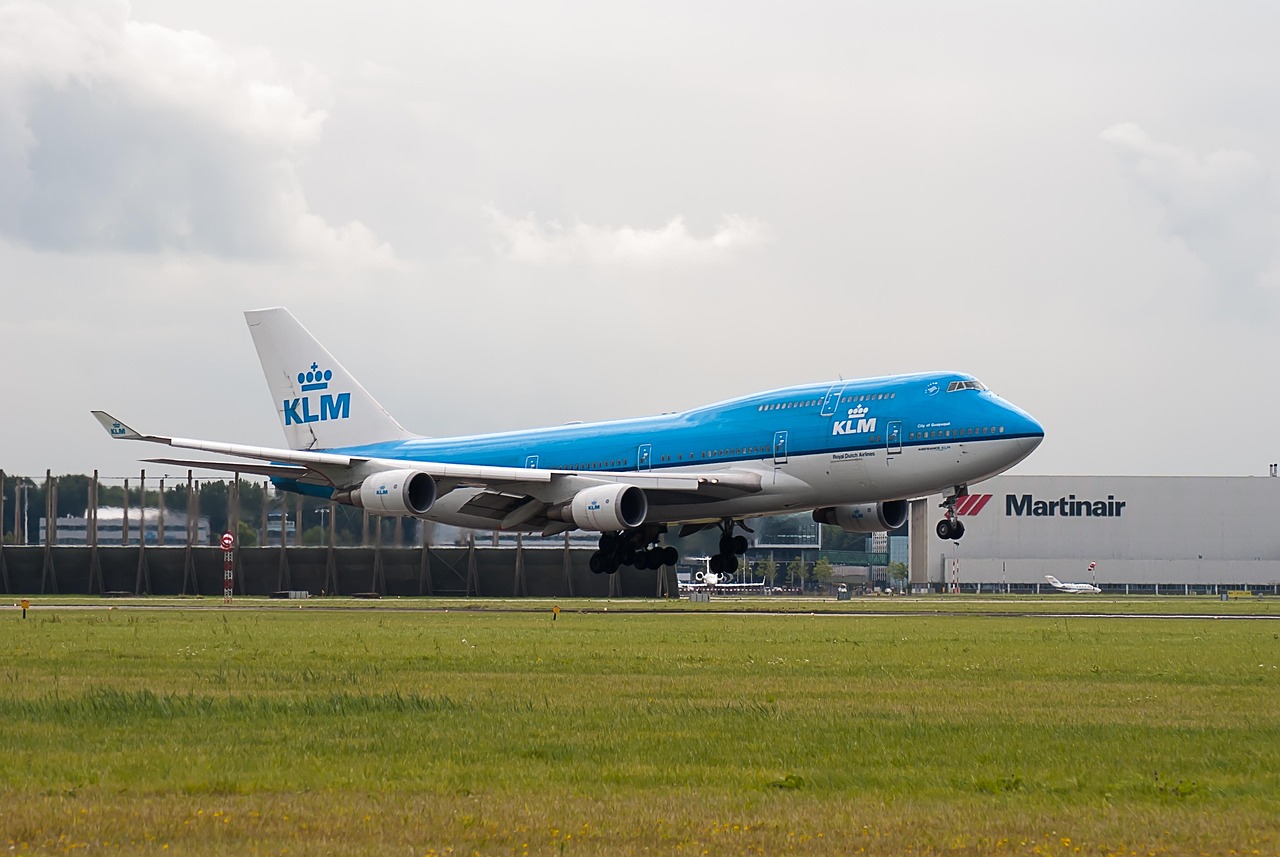
The Netherlands also runs efficient airports. Amsterdam Schiphol handles many international flights every day. Air traffic control works fast and clear. This reduces waiting time in the air. When everything lines up, the plane touches down earlier than scheduled.
Early arrival does not mean the flight rushed or cut corners. Airlines focus on safety first. Early landings simply show that planning worked well and conditions stayed favorable.
Short Answer: It’s About Wind, Flight Planning, and Time Buffers
If you want the short answer, here it is. Flights land early because airlines plan extra time and nature often helps. Airlines build time buffers into long flights. These buffers protect the schedule when things go wrong. When nothing goes wrong, the flight finishes sooner.
Wind over the Atlantic usually moves from west to east. Flights from North America fly with this wind. This tailwind pushes the plane forward. It reduces flight time without extra fuel use. Pilots welcome this support because it saves energy and time.
Flight planners do not rely on perfect conditions. They expect delays, busy airports, and weather changes. To stay safe and reliable, they add more minutes to the schedule. This keeps arrival times realistic, even on bad days.
On good days, the flight beats the clock. The plane lands early, but the schedule still looks correct on paper. This system works better than landing late all the time.
The Netherlands benefits from this planning style. Schiphol Airport handles traffic well and keeps planes moving. When wind, planning, and airport flow come together, early arrivals become normal.
How Strong Tailwinds Over the Atlantic Save Flight Time
Tailwinds play a major role in early arrivals. These winds blow in the same direction as the plane. On flights from North America to the Netherlands, tailwinds often reach high speeds. Sometimes they move faster than expected.
When a plane flies with strong tailwinds, it covers more distance in less time. The engines work normally, but the wind adds extra push. This does not increase risk or fuel use. It actually improves efficiency.
Pilots track wind data before and during the flight. They adjust speed and altitude to catch the best wind flow. Even small changes can save many minutes on long flights.
Airlines expect tailwinds, but they plan for average conditions. When the wind becomes stronger than average, the plane arrives earlier. This happens often during certain seasons.
These winds do not act the same in the opposite direction. Flights from Europe to North America usually face headwinds. That is why westbound flights often take longer. This contrast makes early arrivals feel more noticeable when flying to the Netherlands.
Why Airlines Add Extra Time to Transatlantic Flight Schedules
Airlines care about reliability. They prefer early arrivals over late ones. To make this happen, they add extra time to flight schedules. This extra time acts as a safety net.
Long flights face many risks. Weather changes, busy airports, and air traffic can slow things down. Airlines cannot control all of this. By adding buffer time, they reduce the chance of delays.
This planning also helps with connections. Many travelers need to catch trains or other flights after landing. Airlines want to protect those plans. Early arrival gives more breathing room.
These buffers do not mean airlines expect to waste time. They expect reality to vary. On smooth days, the buffer stays unused. On rough days, it keeps the schedule intact.
For travelers, this system works in their favor. Landing early feels like a bonus. It reduces stress and gives more control over the rest of the day.
Does Air Traffic Control in the Netherlands Make Flights Faster?
Air traffic control in the Netherlands runs with speed and clarity. Controllers focus on smooth traffic flow and clear communication. This helps planes land without long waits.
Schiphol Airport sits close to the North Sea. Planes approach from open airspace, which reduces congestion. This setup allows controllers to guide planes efficiently.
The Netherlands also invests heavily in aviation systems. Modern radar, planning tools, and trained staff improve response time. Controllers make fast decisions while keeping safety first.
When airspace stays calm, planes descend directly without extra loops. This saves time and fuel. Many airports around the world struggle with congestion. Schiphol handles volume with structure.
This efficiency does not rush planes. It removes unnecessary delays. When flights arrive early, air traffic control can support that timing instead of slowing it down.
Why Early Arrivals Are More Common at Amsterdam Schiphol
Amsterdam Schiphol works as a major European hub. It connects flights from all over the world. To manage this scale, the airport runs on strict planning.
The airport uses multiple runways. This allows flexibility during landing. When one runway gets busy, another can take over. This reduces waiting time in the air.
Schiphol also schedules arrivals carefully. It spreads traffic across time blocks. This avoids sudden peaks where many planes arrive at once.
The airport location helps too. Flat land and open space reduce weather disruption. Fog and storms still happen, but they cause fewer problems than in other regions.
All these factors support early arrivals. When a plane reaches Dutch airspace ahead of time, Schiphol can usually handle it without delay.
Is Landing Early a Good Thing for Travelers?
For most travelers, landing early feels positive. After a long flight, nobody wants extra waiting. Early arrival creates a sense of relief. It gives travelers more control. They can move through passport control without rushing. They can adjust plans if needed.
Still, early arrival does not always mean instant exit. Gates, staff, and luggage systems follow schedules. Sometimes passengers wait even after landing.
Even with this delay, early landing helps. It keeps the overall journey smoother. It reduces pressure on airport systems. Travelers who understand this process feel calmer. They know early arrival reflects good planning, not randomness.
What Early Arrival Means for Your Trip in the Netherlands
Early arrival can shape your first day in the Netherlands. You may reach the city sooner than expected. This gives more flexibility.
You might clear customs faster. You might avoid peak crowds on trains or taxis. This makes the transition easier. Still, smart travelers stay realistic. Hotels may not allow early check in. Museums and activities follow fixed schedules.
The key benefit lies in time ownership. You choose how to use the extra minutes. You can rest, eat, or explore lightly. Early arrival sets a relaxed tone for the trip. It removes the feeling of being late from the start.
Can You Leave the Airport Earlier Than Expected?
Landing early does not always mean leaving early. Airports work on systems, not emotions. Staff, gates, and luggage belts follow fixed plans.
If the gate stays busy, the plane may wait. If baggage handlers follow the original schedule, luggage may arrive later. Passport control also affects timing. Early arrival sometimes meets fewer passengers. Other times, staffing stays limited.
Most travelers still leave earlier than planned. The time gain may shrink, but it rarely disappears. Understanding this prevents frustration. Early landing helps, but patience still matters.
How to Plan Your First Day in the Netherlands After an Early Landing
Smart planning starts with flexibility. Expect early arrival, but plan light activities. Focus on rest first. Long flights drain energy. Short walks and simple meals work better than full schedules. Use extra time to adjust. Buy transport cards. Learn routes. Observe the city pace.
This approach keeps stress low. It helps your body and mind adapt. Early arrival becomes an advantage when you plan with balance and realism.